Pressure cooker
A pressure cooker is a sealed pot that traps steam and cooks above boiling point, so beans, stews and stock are done in a fraction of the time.
Also called Electric pressure cooker, Stovetop pressure cooker.
A pressure cooker is a pot with a lid that locks and seals. As the liquid inside heats, the steam cannot escape, so pressure builds and water boils at a higher temperature. At full pressure, about 15 psi, water boils near 121°C (250°F) instead of 100°C (212°F). That speeds up slow foods a lot. Dried beans, tough cuts of meat and stock cook in a third of the usual time or less. There are stovetop models and electric multicookers.
How to do it
- Add at least the minimum liquid the manual gives. Without it, the pot cannot build steam and may scorch.
- Fill it no more than two-thirds full, or half full for beans, grains and foods that foam.
- Lock the lid and bring it up to pressure. On the stove, lower the heat once it reaches pressure.
- Start timing when the pot is at pressure.
- Release the pressure as the recipe says. Natural release means letting it drop on its own, which takes 10 to 30 minutes. Quick release means opening the valve. Keep your face and hands away from the steam.
- Open the lid only when the pressure indicator has dropped.
Why it works
Higher heat breaks down collagen in meat and softens the cell walls of beans faster. Because the pot is sealed, little liquid is lost, so you need less than for a braise in a Dutch oven.
Common mistakes
- Forcing the lid open while there is still pressure.
- Using quick release for beans, grains or soups. Foam can spray out of the valve. Use natural release for those.
- Using thick sauces as the only liquid. They scorch on the base and some cookers stop. Add thick sauces after cooking.
- Skipping checks of the seal and valve. A worn ring will not seal.
- Using it for canning. Home canning of low-acid foods needs a tested canner and a tested method. See pressure canning.
In recipes
"Cook at high pressure for 30 minutes, then natural release" tells you the time at pressure and how to let it down. Times in electric and stovetop recipes are close but not the same.
Recipes made with it
26 recipes from the sites we collect.
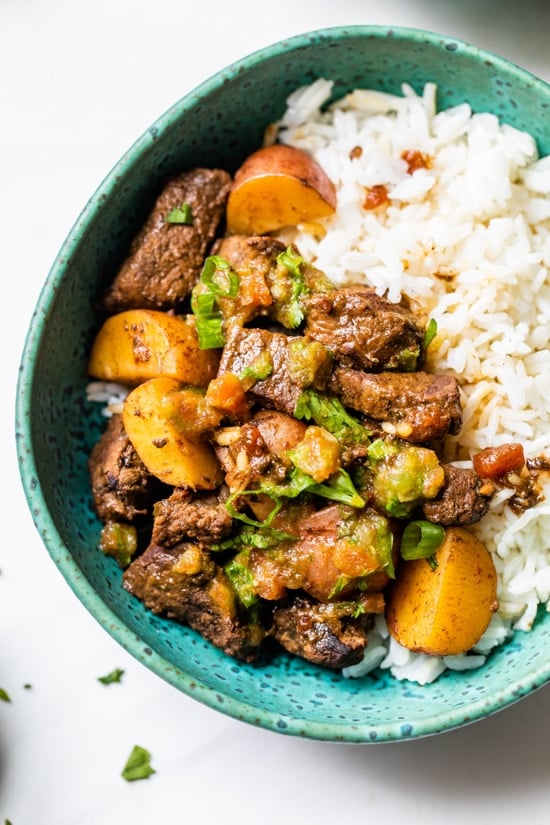
Carne Guisada (Latin Beef Stew)
www.skinnytaste.com · 60 min
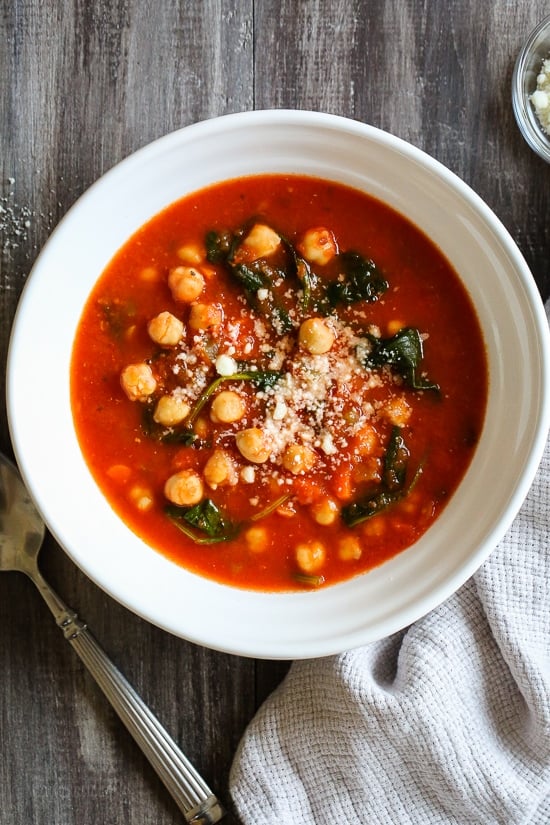
Chickpea Tomato Soup with Rosemary (Instant Pot, Slow Cooker and Stove Top)
www.skinnytaste.com · 45 min

Slow Cooker Chickpea Sweet Potato Stew
www.skinnytaste.com · 255 min
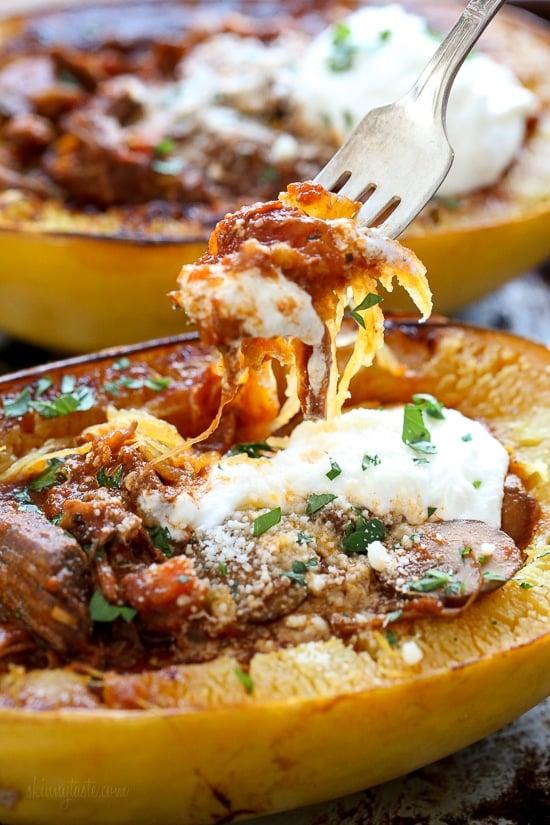
Beef and Mushroom Ragu with Spaghetti Squash
www.skinnytaste.com · 60 min

Slow Cooker Paleo Jalapeno Popper Chicken Chili
www.skinnytaste.com · 35 min

Beef, Tomato and Acini di Pepe Soup (Instant Pot, Slow Cooker + Stove Top)
www.skinnytaste.com · 50 min

White Beans with Aji Verde Sauce
www.skinnytaste.com

Brothy Lima Beans and Greens
www.skinnytaste.com · 75 min

Corned Beef and Cabbage Soup
www.skinnytaste.com · 105 min

Honey Teriyaki Drumsticks
www.skinnytaste.com · 55 min

Pressure Cooker Stewed Chicken with Corn (Pollo Guisado con Maiz)
www.skinnytaste.com · 30 min

Instant Pot Chipotle Chicken Bowls with Cilantro Lime Quinoa
www.skinnytaste.com · 35 min
Related terms
- Pressure-cookPressure-cooking cooks food in a sealed pot where trapped steam raises the boiling point to about 120°C (250°F), cutting cooking times by half or more.
- Slow cookerA slow cooker is an electric pot that cooks food at low heat for hours, ideal for stews, pulled meat and beans. Here is how to use one safely.
- StockStock is an unsalted liquid made by simmering bones, vegetables and aromatics in water for hours. It is the base of soups, sauces, gravy and risotto.
- BraiseBraising browns meat, then cooks it slowly, covered, in a small amount of liquid until tough cuts turn tender and the liquid becomes a rich sauce.
- Pressure canningPressure canning heats sealed jars to about 116°C (240°F) under steam pressure. It is the only safe home method for low-acid foods such as vegetables.
- Dutch ovenA Dutch oven is a heavy lidded pot, often enameled cast iron, for braising, stews, soups and crusty bread. Here is how to use and care for one.