Rest
To rest is to leave a dough, batter or cooked meat alone for a while before the next step. It relaxes gluten, hydrates flour and keeps juices in.
Also called Resting, Let rest, Relax.
To rest means to set food aside, untouched, for a stated time before you go on. Doughs rest so the gluten relaxes and the flour soaks up liquid. Batters rest so they thicken and cook more evenly. Cooked meat rests so it finishes cooking and holds its juices. The step looks idle, but it changes how the food behaves.
How to do it
- Cover the dough or batter so it does not dry out. Wrap pastry in plastic wrap or a beeswax wrap. Cover a bowl with a plate or towel.
- Rest it where the recipe says. Pastry and cookie dough rest in the fridge. Bread dough often rests on the counter.
- Use these times as a guide:
- Pastry: 30 minutes to 2 hours in the fridge.
- Bread dough before shaping: 10 to 30 minutes, called a bench rest.
- Pancake and crêpe batter: 30 minutes to overnight.
- Fresh pasta: 30 minutes at room temperature.
- Roast meat: 10 to 20 minutes, loosely covered. See resting meat.
Why it works
Kneading and rolling stretch the gluten strands tight. If you roll or shape right away, the dough springs back and shrinks in the oven. Rest lets the strands relax. Flour also keeps absorbing water for some time after mixing, so rested doughs and batters are smoother. In pastry, chilling during the rest firms the fat. In meat, rest lets the heat even out and the juices thicken slightly, and carryover cooking raises the center a few degrees.
Common mistakes
- Skipping the rest for pastry. It shrinks down the sides of the pan.
- Leaving dough uncovered. A dry crust forms and cracks when you roll it.
- Rolling pastry straight from a long chill. It cracks. Let it sit out for 5 to 10 minutes first.
- Resting meat under tight foil. The crust goes soft from steam.
In recipes
"Let the dough rest" or "let it relax" means leave it alone, covered. "Bench rest" means rest on the work surface between shaping steps. A rest of flour and water before adding salt is an autolyse.
Recipes that use this technique
349 recipes from the sites we collect.

Super Simple Jerk Chicken
pinchofyum.com · 15 min

Arroz Congri (Cuban Rice and Black Beans)
www.skinnytaste.com · 35 min

Mexican Adobo Rubbed Grilled Pork Tenderloin
www.skinnytaste.com · 45 min

Spiced Rubbed Grilled Salmon with Black Beans Corn Salsa
www.skinnytaste.com · 25 min

How to Make Vegan Buttermilk
minimalistbaker.com · 5 min

Beef Tenderloin with Red Wine Sauce
www.onceuponachef.com · 100 min

Gluten-Free Chocolate Chip Cookies
www.onceuponachef.com · 30 min

Paprika Chicken Pasta
pinchofyum.com · 45 min
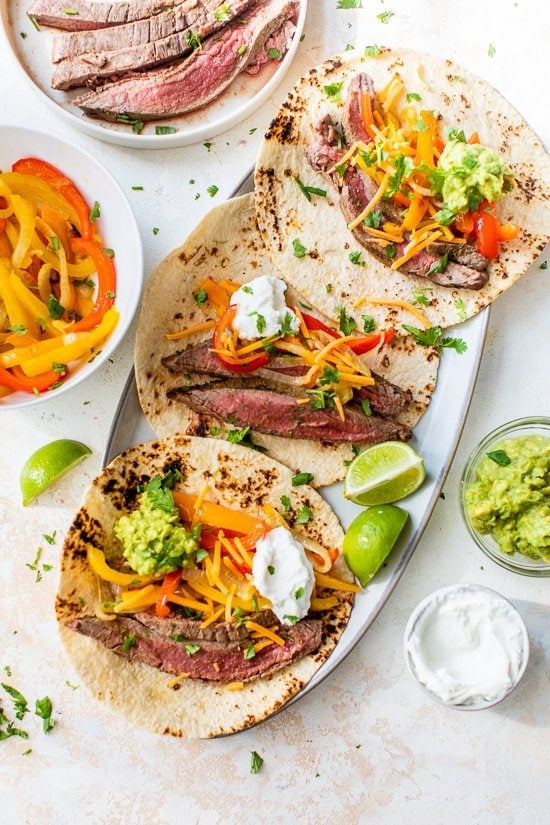
Grilled Steak Fajitas
www.skinnytaste.com · 40 min

Eggplant Panini with Pesto
www.skinnytaste.com · 30 min

Waffle Crusted Chicken with Spicy Maple Sauce
www.skinnytaste.com · 100 min

Pork Chops and Applesauce
www.skinnytaste.com · 20 min
Related terms
- Resting meatResting meat means leaving it to stand after cooking before you slice it. Juices settle, the center finishes cooking and less liquid ends up on the board.
- AutolyseAutolyse is a rest where flour and water sit before salt and yeast go in. It makes bread dough smoother and easier to knead and shape.
- Shortcrust pastryShortcrust pastry is a crumbly, tender pastry of flour, fat and a little water, used for pies, tarts and quiche. Here is the ratio and how to make it.
- GlutenGluten is the stretchy protein network that forms when wheat flour meets water. It gives bread its chew and structure, and too much makes cakes tough.
- KneadTo knead is to push, fold and turn dough until it is smooth and stretchy. It builds gluten so bread rises well. Here is how long it takes and how to tell.
- Carryover cookingCarryover cooking is the rise in temperature inside meat after it leaves the heat. A big roast can climb 3 to 8°C (5 to 15°F), so take it out early.