Resting meat
Resting meat means leaving it to stand after cooking before you slice it. Juices settle, the center finishes cooking and less liquid ends up on the board.
Also called Rest the meat, Let it rest.
Resting meat means letting it stand after cooking, before carving or slicing. A rested steak or roast loses less juice on the board and cooks more evenly to the center. Rest time depends on size: a few minutes for a chop, up to 30 minutes for a large roast or turkey.
How to do it
- Take the meat off the heat a little before your target temperature, because it keeps cooking. See carryover cooking.
- Move it to a warm plate, a cutting board with a groove, or a wire rack over a tray, which keeps the crust crisp.
- If the room is cold, tent it loosely with foil. Wrapping it tightly steams the crust.
- Rest steaks, chops and chicken breasts for 5 to 10 minutes, a whole chicken or pork tenderloin for 10 to 15 minutes, and large roasts and turkey for 15 to 30 minutes.
- Slice it, and pour any juices on the plate back over the meat or into the sauce.
How to tell it is done
The internal temperature has stopped climbing and starts to fall slightly. The meat is still hot inside.
Why it works
As meat cooks, the fibers tighten and push liquid toward the center, and the outside is much hotter than the middle. While it rests, the heat evens out and the meat firms up, so it holds juices better when cut. Resting lets the internal temperature rise a few degrees as heat moves inward. For large roasts this can be 5°C (10°F) or more, so the target temperature you pull at matters.
For safety, rely on the temperature, not only the rest. USDA guidance for whole cuts of beef, pork, veal and lamb is 63°C (145°F) followed by a 3-minute rest. Poultry should reach 74°C (165°F).
Common mistakes
- Cutting a steak straight from the pan, so juice runs out.
- Resting too long, so the meat goes cold and the crust softens.
- Wrapping it tightly in foil.
- Forgetting carryover heat and overcooking a roast.
In recipes
"Let rest", "rest before carving" and "allow to stand" all mean this. Topping a resting steak with compound butter adds a simple sauce.
Recipes that use this technique
349 recipes from the sites we collect.

Red Wine Tomato Vinaigrette
www.skinnytaste.com · 5 min

Roast Beef and Gravy
www.skinnytaste.com · 70 min
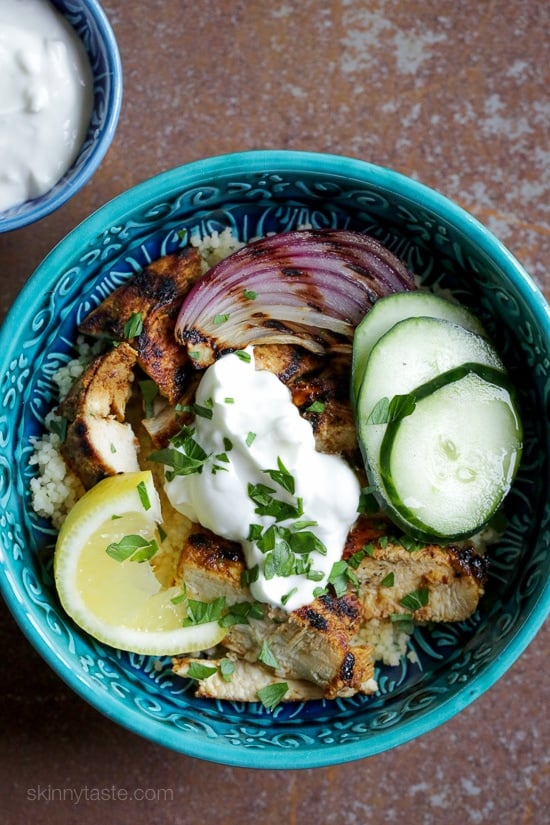
Shawarma-Spiced Grilled Chicken with Garlic Yogurt Sauce
www.skinnytaste.com · 85 min

Cheesy Stuffed Chicken Breast with Zucchini
www.skinnytaste.com · 35 min

Strawberry Scones
www.skinnytaste.com · 50 min

Asian Slaw Recipe with Mango
www.skinnytaste.com · 30 min
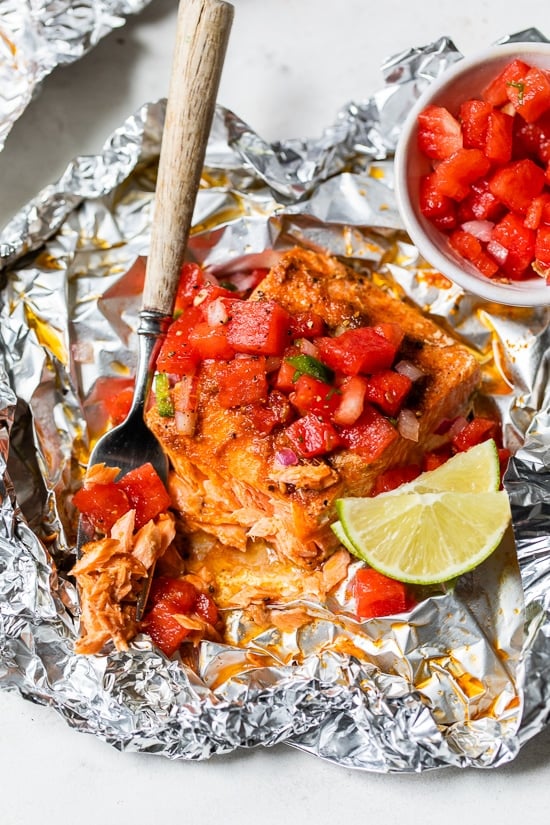
Foil Packet Spice Rubbed Fish with Watermelon Salsa
www.skinnytaste.com · 30 min

Salmon Caesar Salad
www.skinnytaste.com · 30 min

Turkey Meatloaf with Zucchini
www.skinnytaste.com · 70 min

Buttermilk-Marinated Air Fryer Whole Roasted Chicken
www.skinnytaste.com · 1495 min
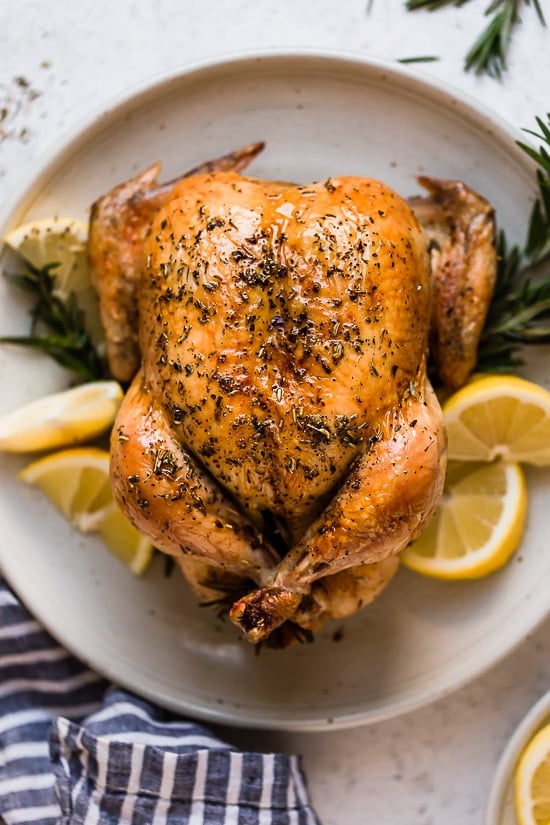
Roast Chicken with Rosemary and Lemon
www.skinnytaste.com · 80 min
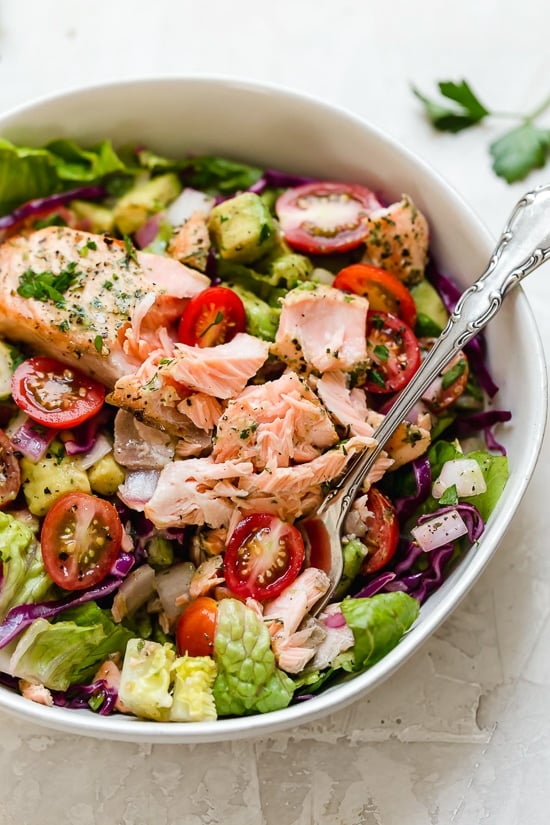
Salmon Avocado Salad
www.skinnytaste.com · 25 min
Related terms
- Carryover cookingCarryover cooking is the rise in temperature inside meat after it leaves the heat. A big roast can climb 3 to 8°C (5 to 15°F), so take it out early.
- Internal temperatureInternal temperature is the heat at the center of food, read with a probe thermometer. It is the surest way to know meat, fish and bread are done and safe.
- ThermometerA kitchen thermometer checks the heat of meat, oil, sugar and your oven, so food is safe and cooked how you want. Here is which type to use and how.
- SearSearing browns the surface of meat or fish in a very hot pan to build a deep, flavorful crust. It adds flavor but does not seal in juices.
- RoastRoasting cooks meat or vegetables uncovered in a hot oven, so dry heat browns the outside and concentrates flavor while the inside cooks through.
- Compound butterCompound butter is soft butter mixed with herbs, garlic, zest or spices, then chilled. A slice melts over steak, fish or bread as an instant sauce.