Roast
Roasting cooks meat or vegetables uncovered in a hot oven, so dry heat browns the outside and concentrates flavor while the inside cooks through.
Also called Roasting, Roasted, Oven-roast.
To roast is to cook food uncovered in the dry heat of an oven, usually at a fairly high temperature. The outside browns and crisps while the inside cooks through. It is the same method as baking, but the word is used for meat, poultry, fish and vegetables. A pot roast, despite the name, is braised in liquid and is not roasted.
How to do it
For vegetables:
- Heat the oven to 200 to 220°C (400 to 425°F).
- Cut the vegetables into even pieces and toss with oil and salt.
- Spread them in one layer on a sheet pan with space between pieces.
- Roast for 20 to 45 minutes, turning once, until browned at the edges and tender.
For meat:
- Take the meat out of the fridge 30 to 60 minutes ahead and pat it dry. Season it well.
- Set it on a rack in a roasting pan so hot air reaches the underside.
- Roast at 160 to 230°C (325 to 450°F). Small, tender cuts and poultry like high heat; large roasts cook more evenly lower.
- Check the internal temperature in the thickest part, away from bone.
- Rest the meat, loosely covered, for 10 to 30 minutes depending on size.
How to tell it is done
Vegetables are tender when pierced and brown at the edges. For meat, use a thermometer: 74°C (165°F) for poultry, and 63°C (145°F) with a 3-minute rest for whole cuts of beef, pork and lamb under USDA guidance. Take larger roasts out a few degrees early to allow for carryover cooking.
Why it works
Dry heat evaporates water from the surface, which lets it brown through the Maillard reaction and caramelization. Vegetables lose water and their sugars concentrate, so they taste sweeter than boiled ones.
Common mistakes
- Crowding the pan. Vegetables steam and stay pale. Use two pans.
- Cutting pieces of different sizes. Small ones burn while big ones stay hard.
- Not preheating. The food dries out before it browns.
- Covering the pan with foil the whole time. That steams the food. Cover only if the top browns too fast.
- Carving at once. The juices run out onto the board.
Recipes that use this technique
256 recipes from the sites we collect.

Roasted Chickpeas
www.skinnytaste.com · 45 min

Roast Beef and Gravy
www.skinnytaste.com · 70 min
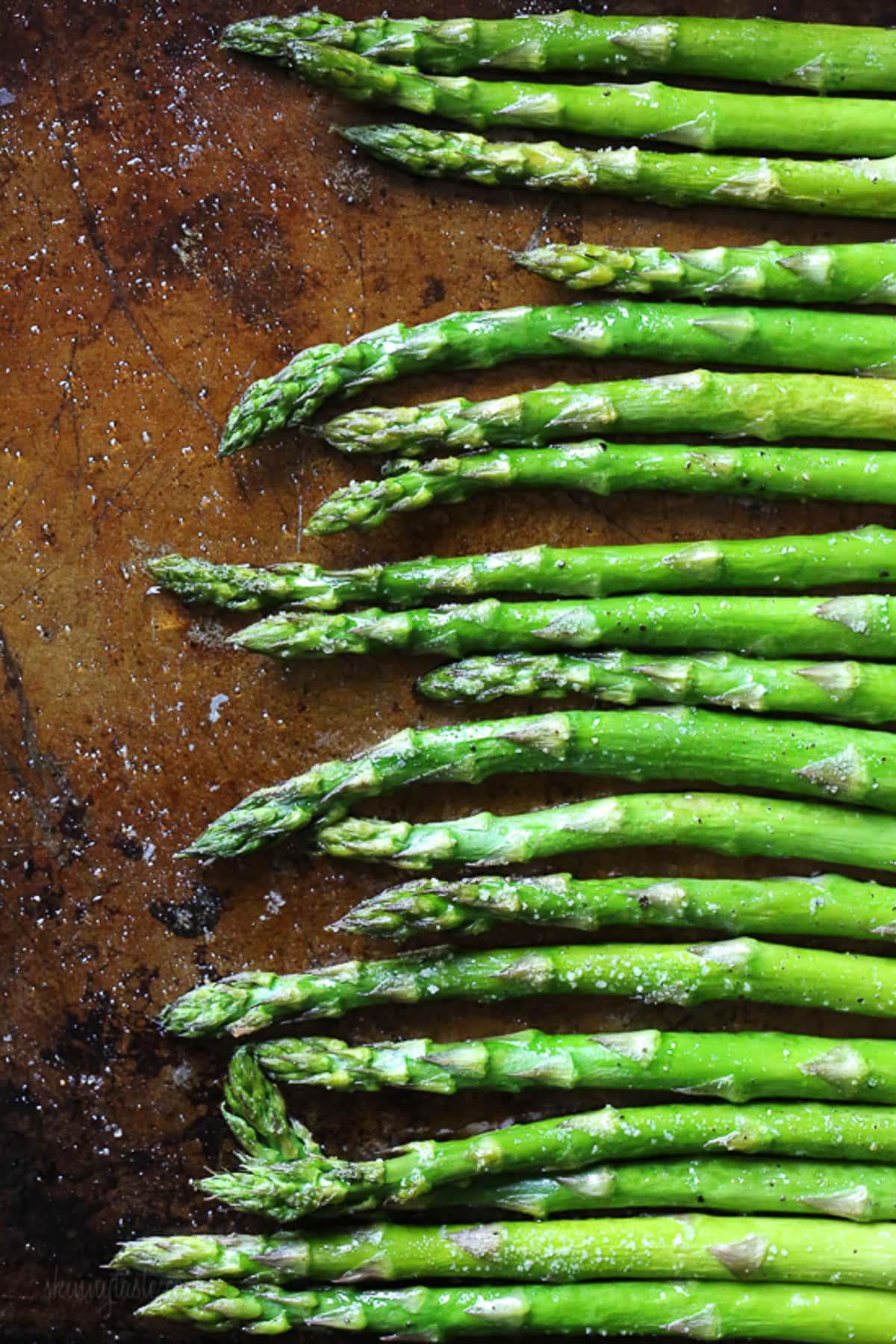
Roasted Asparagus Recipe
www.skinnytaste.com · 15 min
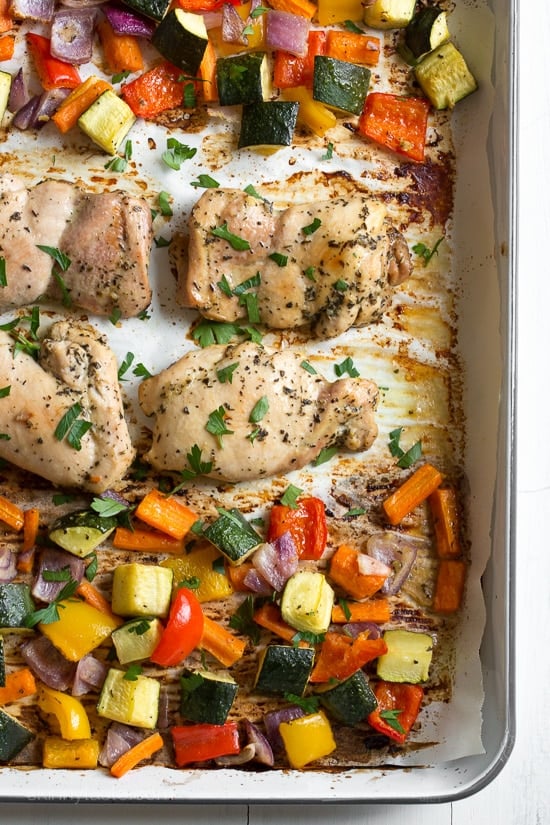
Sheet Pan Italian Baked Boneless Chicken Thighs and Veggies
www.skinnytaste.com · 60 min
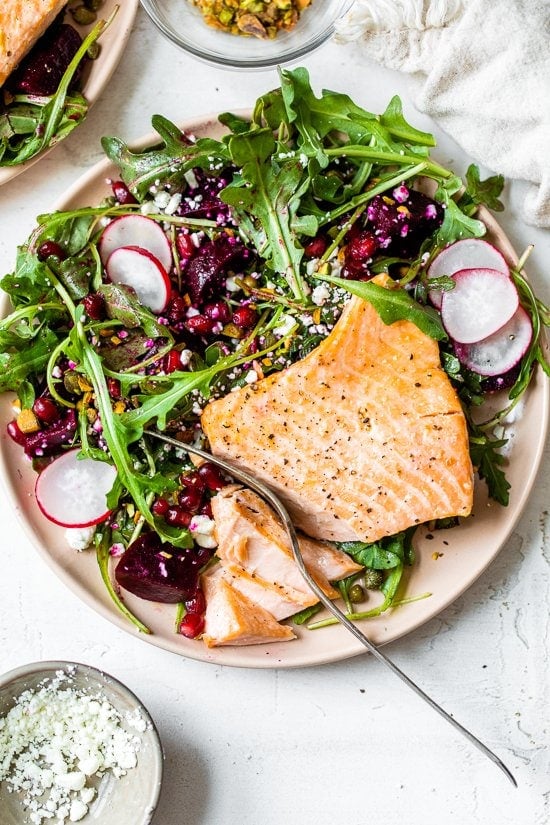
Salmon, Beet, and Arugula Salad with Pistachios and Pomegranates
www.skinnytaste.com · 30 min

Turmeric Roasted Chicken and Sweet Potatoes
www.skinnytaste.com · 75 min
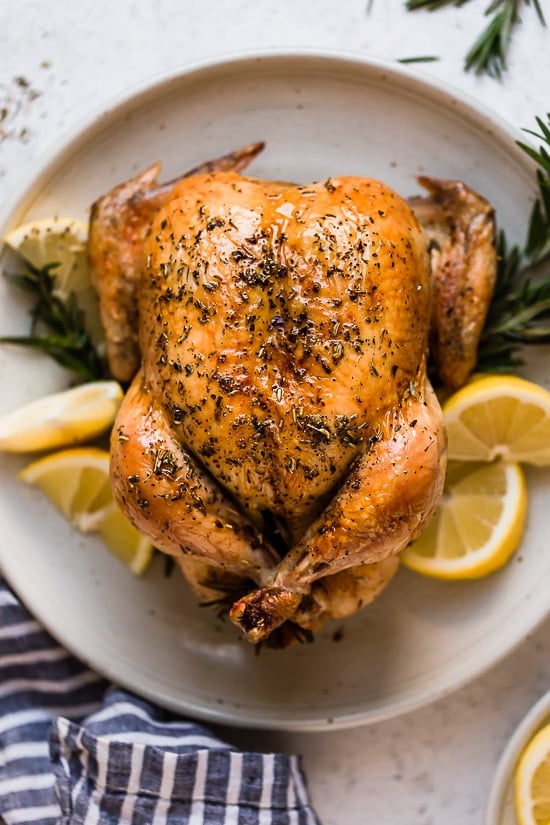
Roast Chicken with Rosemary and Lemon
www.skinnytaste.com · 80 min

Sheet Pan Home Fries
www.skinnytaste.com · 40 min
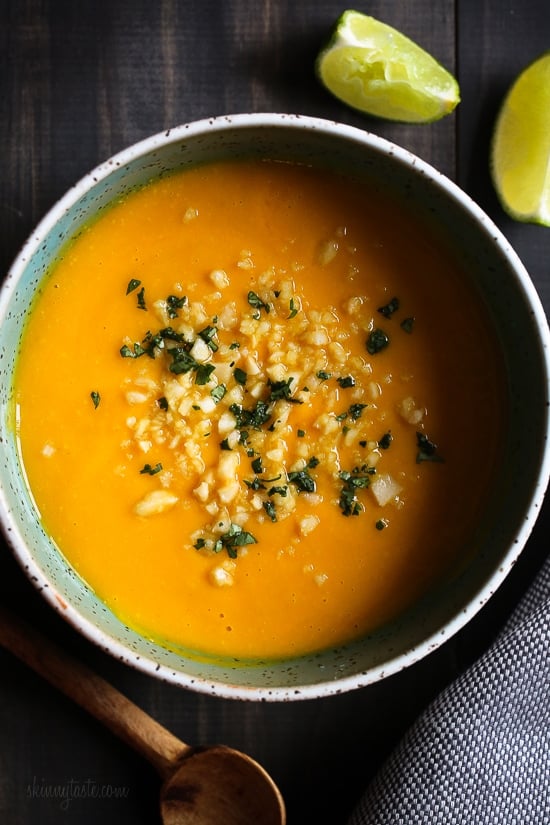
Turmeric Roasted Sweet Potato and Macadamia Soup
www.skinnytaste.com · 80 min

Blackened Scallops with Horseradish Sauce
www.skinnytaste.com · 25 min
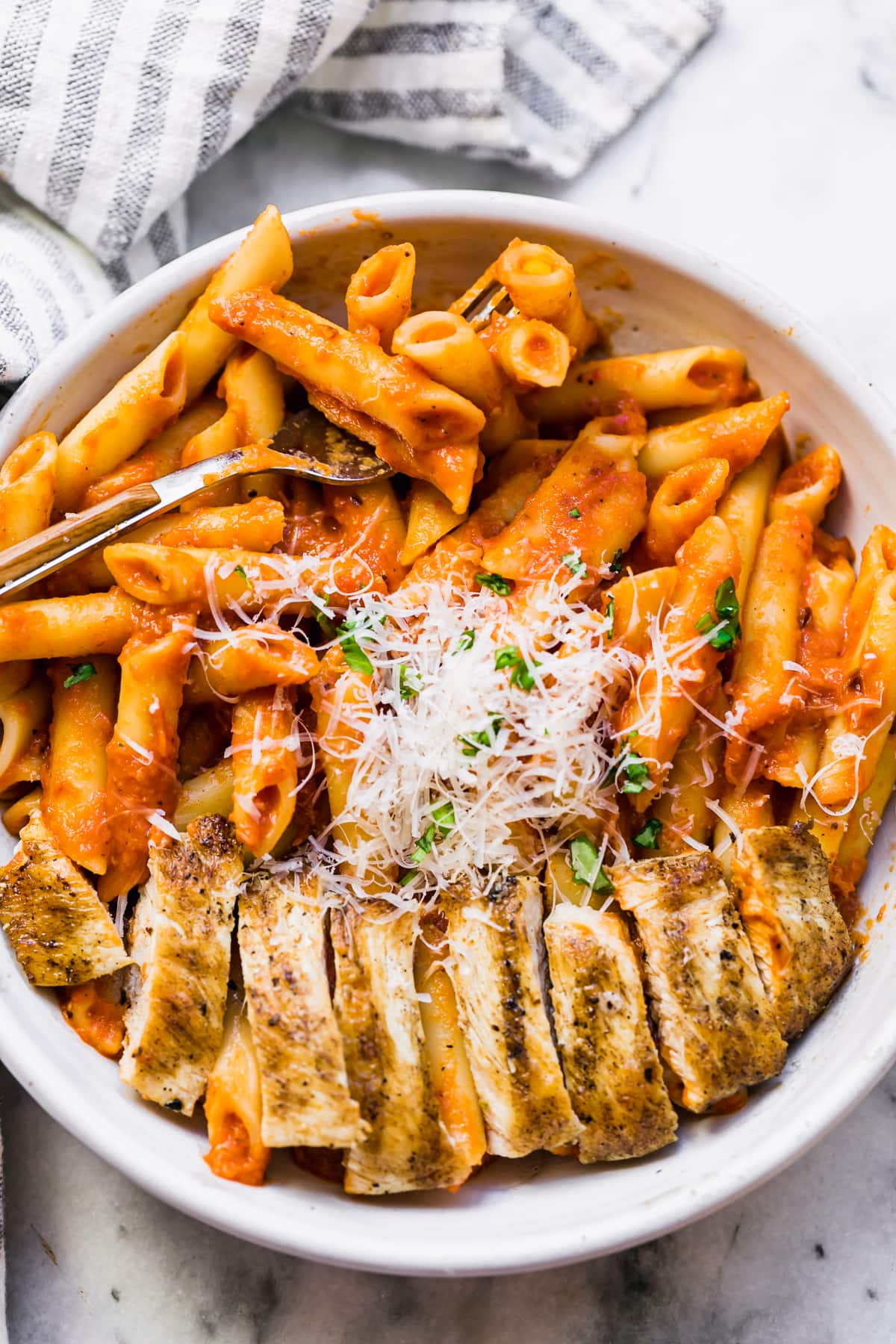
Penne alla Vodka with Chicken
www.skinnytaste.com · 60 min

Baked Honey-Mustard Ham
www.skinnytaste.com · 135 min
Related terms
- BakeBaking cooks food with dry, hot air in an enclosed oven. It is how bread, cakes, cookies and casseroles go from raw to set, risen and browned.
- Roasting panA roasting pan is a large, heavy pan with low sides and often a rack, for roasting meat and vegetables. Here is how to use it and make gravy in it.
- Internal temperatureInternal temperature is the heat at the center of food, read with a probe thermometer. It is the surest way to know meat, fish and bread are done and safe.
- Resting meatResting meat means leaving it to stand after cooking before you slice it. Juices settle, the center finishes cooking and less liquid ends up on the board.
- Pot-roastPot-roasting browns a whole joint of meat, then cooks it slowly in a covered pot with a little liquid and vegetables until it is tender enough to pull.
- Carryover cookingCarryover cooking is the rise in temperature inside meat after it leaves the heat. A big roast can climb 3 to 8°C (5 to 15°F), so take it out early.