Saucepan
A saucepan is a deep, round pan with straight sides and one long handle, for sauces, grains, eggs and reheating. Here is how to pick a size.
Also called Sauce pan.
A saucepan is a round pan with tall, straight sides, one long handle and usually a lid. The high sides hold liquid and limit evaporation, which makes it the pan for sauces, rice and other grains, custards, boiling eggs, cooking small batches of vegetables and reheating soup. Most kitchens use two or three sizes.
How to use it
Common sizes:
- Small, 1 to 1.5 liters (1 to 1.5 quarts). Melting butter, warming milk, a single portion of oatmeal, a small batch of sauce.
- Medium, 2 to 3 liters (2 to 3 quarts). Rice for four, a béchamel, boiling eggs, steaming vegetables.
- Large, 3.5 to 4 liters (3.5 to 4 quarts). Soup for a few people, potatoes, a small batch of pasta.
For larger amounts of pasta or stock, use a stockpot.
Pick a saucepan with a thick base, often stainless steel around a core of aluminum or copper. A thick base spreads heat evenly, so milk and sugar are less likely to scorch in one spot. Turn the handle to the side, away from the edge of the stove and away from other burners.
Common mistakes
- Using a thin pan for milk, custard or caramel. Hot spots scorch the bottom before the rest is hot.
- Filling it too full. A pan more than three-quarters full boils over easily, and starchy water foams up fast.
- Using a narrow saucepan to reduce a sauce quickly. The small surface means slow evaporation. A wide sauté pan is faster.
- Leaving the lid on while you simmer a sauce that should thicken.
- Using a pan much smaller than the burner. Flames heat the sides and handle, not just the base.
In recipes
"In a small saucepan" or "in a medium saucepan" tells you the scale more than an exact size. The recipe expects the food to fill the pan well but not to the top. "Heavy-bottomed saucepan" means one with a thick base, usually because the recipe has sugar, milk or eggs that burn easily. "Pot" in many recipes means either a large saucepan or a stockpot, depending on how much is going in.
Recipes made with it
496 recipes from the sites we collect.

Butternut Squash Potato Salad
minimalistbaker.com · 50 min

PB&J Graham Cracker Thumbprints
minimalistbaker.com · 30 min

Vegan Peppermint Drinking Chocolate
minimalistbaker.com · 13 min
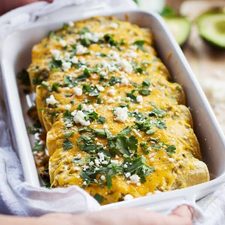
Butternut Squash & Mushroom Enchiladas with Tomatillo Sauce
pinchofyum.com · 150 min
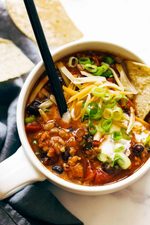
30 Minute Spicy Ancho Turkey Chili
pinchofyum.com · 40 min

Vegan Cinnamon Roll Pancakes
minimalistbaker.com · 125 min

Super Thick DIY Chocolate Almond Milk
minimalistbaker.com · 31 min

Tom Kha Gai Butternut Squash Soup
minimalistbaker.com · 45 min

1-Pot Vegan Pasta
minimalistbaker.com · 52 min
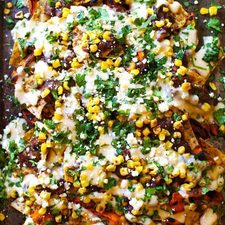
Healthy Grilled Sweet Potato Nachos
pinchofyum.com · 30 min

5-Minute Vegan Hot Cocoa
minimalistbaker.com · 5 min

The Best Damn Vegan Mashed Potatoes
minimalistbaker.com · 40 min
Related terms
- StockpotA stockpot is a large, tall pot with two handles for stock, soup, pasta and boiling big batches. Here is what size to get and how to use it well.
- Sauté panA sauté pan is a wide pan with tall, straight sides and a lid, for searing then simmering and for pan sauces. Here is how it differs from a skillet.
- SimmerA simmer is liquid kept just below boiling, with small, gentle bubbles rising to the surface. It cooks soups, stews and sauces without toughening them.
- ReduceTo reduce is to simmer or boil a liquid uncovered so water evaporates, leaving a smaller amount that is thicker and more intense in flavor.
- BéchamelBéchamel is a smooth white sauce of milk thickened with a butter and flour roux. It is the base for lasagna, mac and cheese, gratins and croque monsieur.