Slice
To slice is to cut food into flat pieces of even thickness. Good slicing is about a sharp knife, a safe grip and, for meat, cutting across the grain.
Also called Sliced, Slices, Thinly sliced.
To slice means to cut food into flat pieces of the same thickness. It is the first step of most other knife cuts. Recipes slice vegetables, fruit, bread, cheese and cooked or raw meat, and they often say how thick: thinly, thickly, or a measurement in millimeters or inches.
How to do it
- Use a sharp knife that fits the job: a chef's knife for most food, a serrated bread knife for crusty bread and ripe tomatoes, a long carving knife for roasts.
- Make the food stable. Cut a thin strip off one side of round food so it sits flat.
- Hold the food in a claw grip: fingertips curled under, knuckles touching the side of the blade.
- Cut with a long forward or backward stroke, not by pressing straight down. Let the knife do the work.
- Move your claw back by the same distance after each cut, so every slice is the same thickness.
How to tell it is done
Rough guides when a recipe gives no number:
- Thinly sliced: 1 to 3 mm (1/16 to 1/8 inch).
- Sliced: about 6 mm (1/4 inch).
- Thickly sliced: about 1 to 2 cm (1/2 to 3/4 inch).
For paper-thin, even slices, use a mandoline with its hand guard.
Common mistakes
- Pressing down hard with a dull knife. It crushes tomatoes and bread and is more likely to slip. Keep your knives sharp.
- Slicing meat along the grain. Look for the lines of muscle fiber and cut across them. The short fibers make each slice tender.
- Slicing a roast straight out of the oven. Let it rest first so the juices stay in the meat.
- Sliding food off the board with the knife edge. Turn the knife and use the spine.
In recipes
"Sliced on the diagonal" means a bias cut. "Sliced into rounds" means a rondelle. "Sliced against the grain" means across the muscle fibers, which matters most for flank steak, skirt steak and brisket.
Recipes that use this technique
384 recipes from the sites we collect.

Poached Pears
www.onceuponachef.com · 60 min
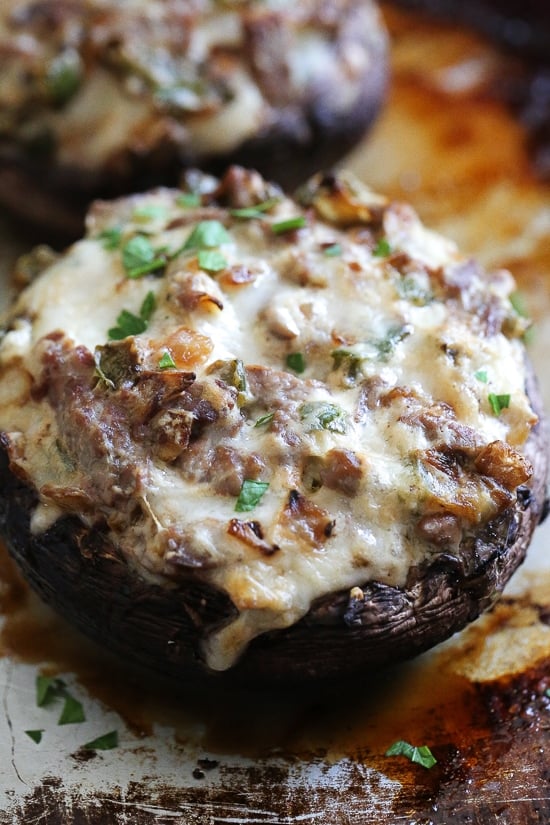
Philly Cheesesteak Stuffed Portobello Mushrooms
www.skinnytaste.com · 30 min

Grilled Chicken with Black Bean Mango Salsa
www.skinnytaste.com · 85 min

Air Fryer Nacho Fries
www.skinnytaste.com · 45 min

Apple Bread with Cinnamon Swirl
www.onceuponachef.com · 85 min

Palmiers
www.onceuponachef.com · 30 min

Chicken Katsu Bowls
www.onceuponachef.com · 45 min

Spicy Sriracha Tofu Rice Bowls
www.skinnytaste.com · 30 min

Boozy Caramel French Toast Casserole
www.onceuponachef.com · 60 min

Late Summer Plum Cake
www.onceuponachef.com · 90 min

Sesame Crusted Tuna Steak on Arugula
www.skinnytaste.com · 20 min
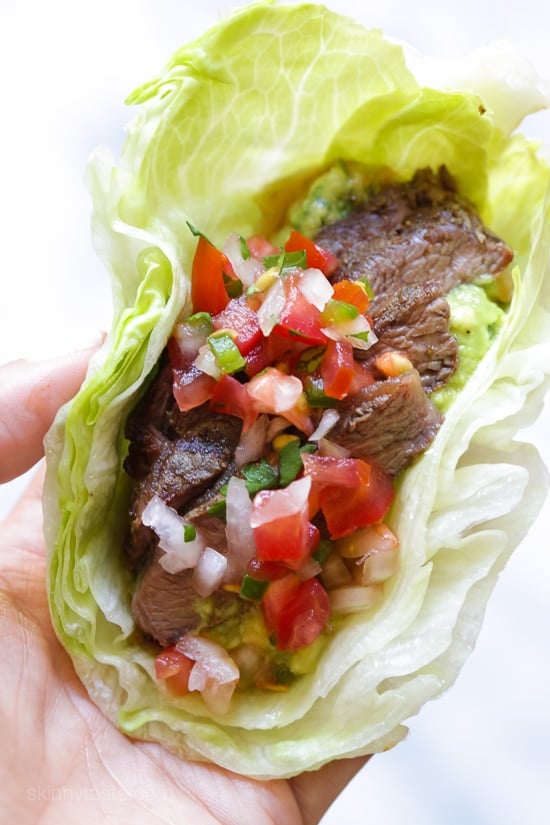
Grilled Steak Lettuce Tacos
www.skinnytaste.com · 30 min
Related terms
- Bias cutA bias cut is a slice made at an angle, usually around 45 degrees, to give long oval pieces that cook fast and look good in stir-fries and salads.
- RondelleA rondelle is a round slice cut straight across a carrot, cucumber, zucchini or other long, round vegetable, usually 3 to 6 mm thick and all the same.
- MandolineA mandoline is a flat slicer with a fixed blade that cuts vegetables into even, paper-thin slices. Here is how to use one safely.
- Chef's knifeA chef's knife is the all-purpose kitchen knife, with a wide 20 cm (8 in) blade for chopping, slicing and mincing. Here is how to hold it.
- Bread knifeA bread knife is a long serrated knife that saws through crusty bread and soft cake without crushing them. Here is how to use it well.
- Resting meatResting meat means leaving it to stand after cooking before you slice it. Juices settle, the center finishes cooking and less liquid ends up on the board.