Soy allergy
A soy allergy is a reaction to proteins in soybeans. Soy turns up in soy sauce, tofu, miso and many processed foods, and is labeled in the EU and US.
Also called Soya allergy, Soybean allergy.
A soy allergy is a reaction of the immune system to proteins in soybeans (soya in the UK). It is more common in babies and young children than in adults, and many children outgrow it. Soy is in a very wide range of foods, so a soy allergy means reading a lot of labels. A doctor should diagnose the allergy and tell you what you need to avoid.
Substitutes
- Soy sauce and tamari: coconut aminos, a sauce made from coconut sap, or fish sauce if fish is safe for you.
- Miso: chickpea miso, which is made without soy, or a little salt and mushroom powder for depth.
- Tofu: chickpea tofu, or paneer if dairy is safe for you.
- Soy milk: oat or rice milk.
Common mistakes
- Missing soy in sauces such as teriyaki, hoisin, black bean sauce and many marinades.
- Forgetting fermented soy pastes such as gochujang, which often contains soybeans, and doenjang.
- Missing soy flour and soy protein in bread, meat substitutes, protein bars and sausages.
- Forgetting edamame, which are young soybeans, and tempeh.
- Assuming "vegetable protein" or "vegetable oil" is never soy. Read the full ingredients list.
In recipes
Soy is labeled in both the EU and the US:
- In the EU and the UK, soybeans are one of the 14 allergens and must be emphasized in the ingredients list. Fully refined soybean oil and fat, and some vitamin E and plant sterol ingredients made from soy, are exempt.
- In the US, soy is one of the nine major allergens. Highly refined soybean oil is exempt. Soy lecithin, a common emulsifier in chocolate and baked goods, is labeled as soy.
Some people with a soy allergy also react to other legumes such as peanuts, but many do not. Ask an allergist rather than cutting out more foods than you need to. Read labels every time you buy, because recipes change, and talk to your doctor or a dietitian about a safe diet, especially for a child.
Recipes free from it
3533 recipes from the sites we collect.

Chocolate Brownie Date Balls
www.skinnytaste.com · 15 min

Roasted Pumpkin Seeds
www.skinnytaste.com · 85 min

Spicy BBQ Spiced Pumpkin Seeds
www.skinnytaste.com · 35 min

Chipotle Sweet Potato Fries
www.skinnytaste.com · 30 min
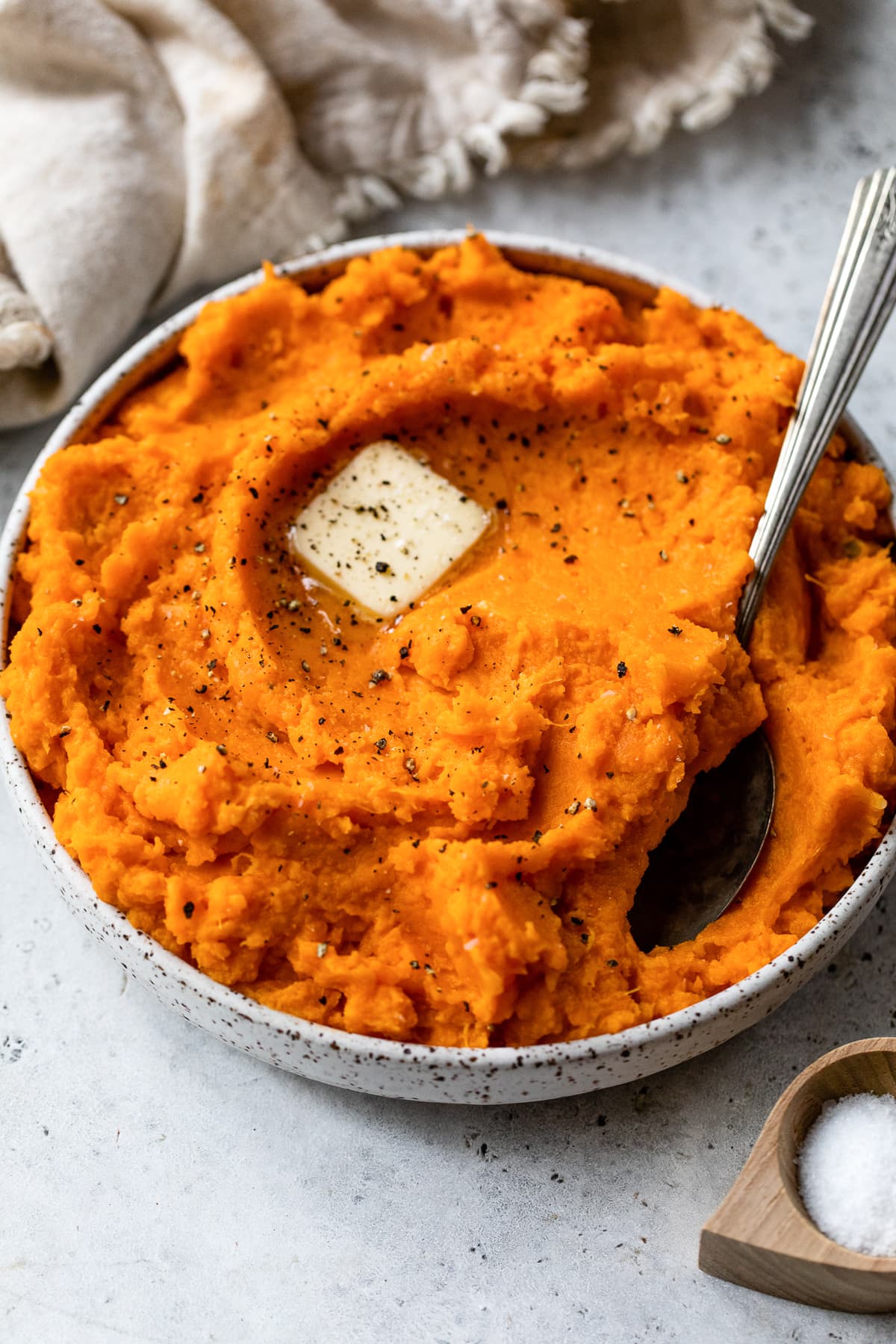
Mashes Sweet Potatoes Recipe
www.skinnytaste.com · 25 min
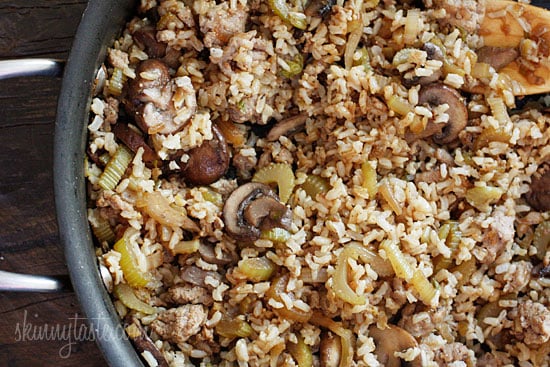
Chicken Sausage Brown Rice Stuffing with Celery and Mushrooms
www.skinnytaste.com · 55 min

Meximelt Recipe
www.skinnytaste.com · 40 min

Stuffed Eggplant Parmesan
www.skinnytaste.com · 45 min

Parmesan Brussel Sprouts
www.skinnytaste.com · 45 min
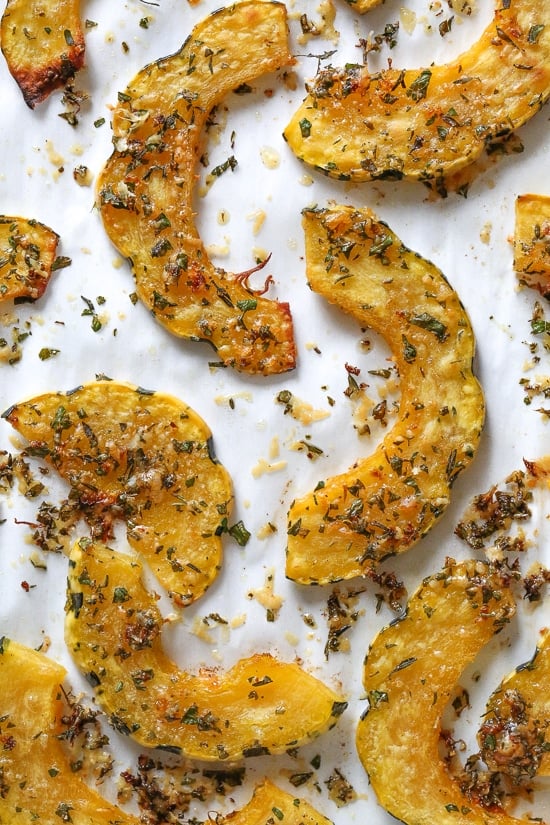
Roasted Delicata Squash Recipe with Parmesan
www.skinnytaste.com · 30 min
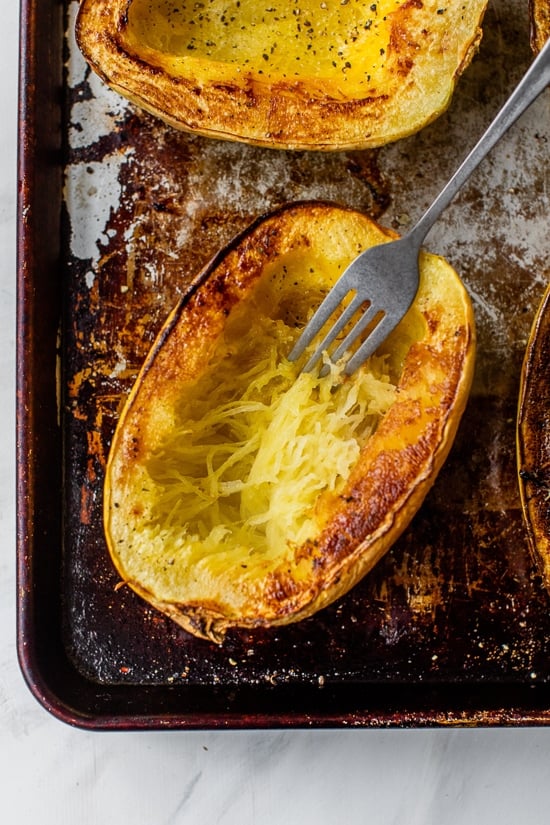
Roasted Spaghetti Squash
www.skinnytaste.com · 70 min

Noodleless Butternut Squash Lasagna Recipe
www.skinnytaste.com · 100 min
Related terms
- Soy sauceSoy sauce is a salty, savory sauce brewed from soybeans, wheat and salt. Light, dark and tamari explained, plus how to use it, swap it and store it.
- MisoMiso is a salty, savory Japanese paste of fermented soybeans and koji. Learn the types, how to make miso soup and why you should never boil it.
- GochujangGochujang is a thick Korean paste of chili, rice and fermented soybeans. It is sweet, spicy and savory, and it seasons stews, marinades and sauces.
- PeanutsPeanuts are legumes, not tree nuts, and a common cause of severe allergic reactions. EU, UK and US law all require them to be labeled.
- EU 14 allergensThe EU 14 allergens are the foods that EU and UK law says must be emphasized on food labels and declared by restaurants, from gluten to lupin.
- US major allergensThe US major food allergens are nine foods that must be named on US labels, from milk, eggs and peanuts to wheat, soy and, since 2023, sesame.