Tongs
Kitchen tongs are spring-loaded grips for turning, lifting and serving food without piercing it. Here is how to use them and which kind to buy.
Also called Kitchen tongs, Locking tongs, Cooking tongs.
Tongs are a hinged pair of arms that you squeeze together to grab food. Kitchen tongs work like an extension of your fingers: they turn steaks and sausages, toss pasta, lift corn out of boiling water, pull trays out of the oven and serve salad. Unlike a fork, they do not pierce the meat, so no juice is lost through holes.
How to use it
- Hold them near the hinge end for more control, and toward the middle for more reach.
- To turn meat while you sear it, grip it gently from the side and roll it over. Do not squeeze hard, which can tear the crust.
- To toss pasta in sauce, lift and turn it in the pan from the bottom.
- Use the tips to rearrange food on a hot grill and to move charcoal or vegetables.
- To lift something heavy, such as a whole chicken, use tongs at one end and a spatula underneath.
Types:
- Locking stainless steel tongs, 23 to 30 cm (9 to 12 in). The all-purpose choice. The lock keeps them closed in a drawer.
- Silicone or nylon-tipped tongs. Safe for nonstick pans. Not for very high heat on a grill.
- Long grill tongs, 40 cm (16 in) or more. Keep your hands away from the heat.
- Small serving tongs. For salads and pastries at the table.
Substitutes
A fish spatula is better for delicate fish and eggs. A pair of chopsticks turns food in a wok or a pan of hot oil, as in many Asian kitchens.
Common mistakes
- Using the same tongs for raw and cooked meat. Raw juices on the tips can spread bacteria to cooked food. This is a common source of cross-contamination. Wash them or use a second pair.
- Using metal tongs on nonstick pans. They scratch the coating.
- Choosing tongs with a weak spring or thin arms. They twist and drop heavy food.
- Pressing burgers down with the tongs. Juice runs out and they dry.
- Leaving them resting in the pan or on the grill. They get too hot to hold.
In recipes
"Using tongs, turn the chicken" means turn it without piercing it, usually to keep the skin and crust intact.
Recipes made with it
79 recipes from the sites we collect.
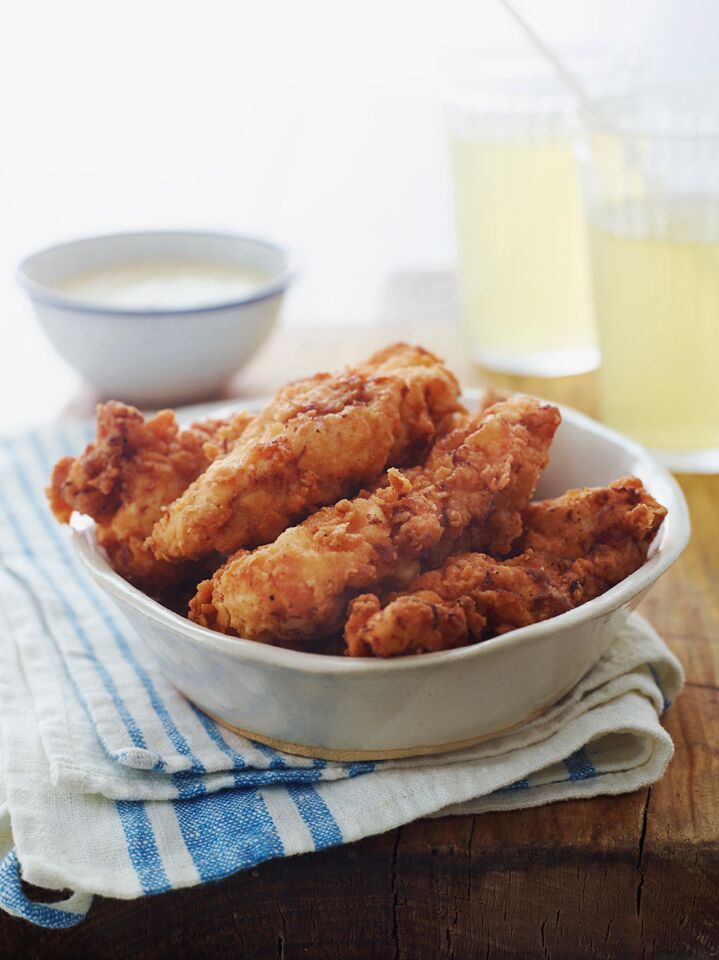
Buttermilk Fried Chicken Tenders
www.onceuponachef.com · 40 min

Chicken Noodle Soup
www.onceuponachef.com · 60 min

Latkes
www.onceuponachef.com · 60 min
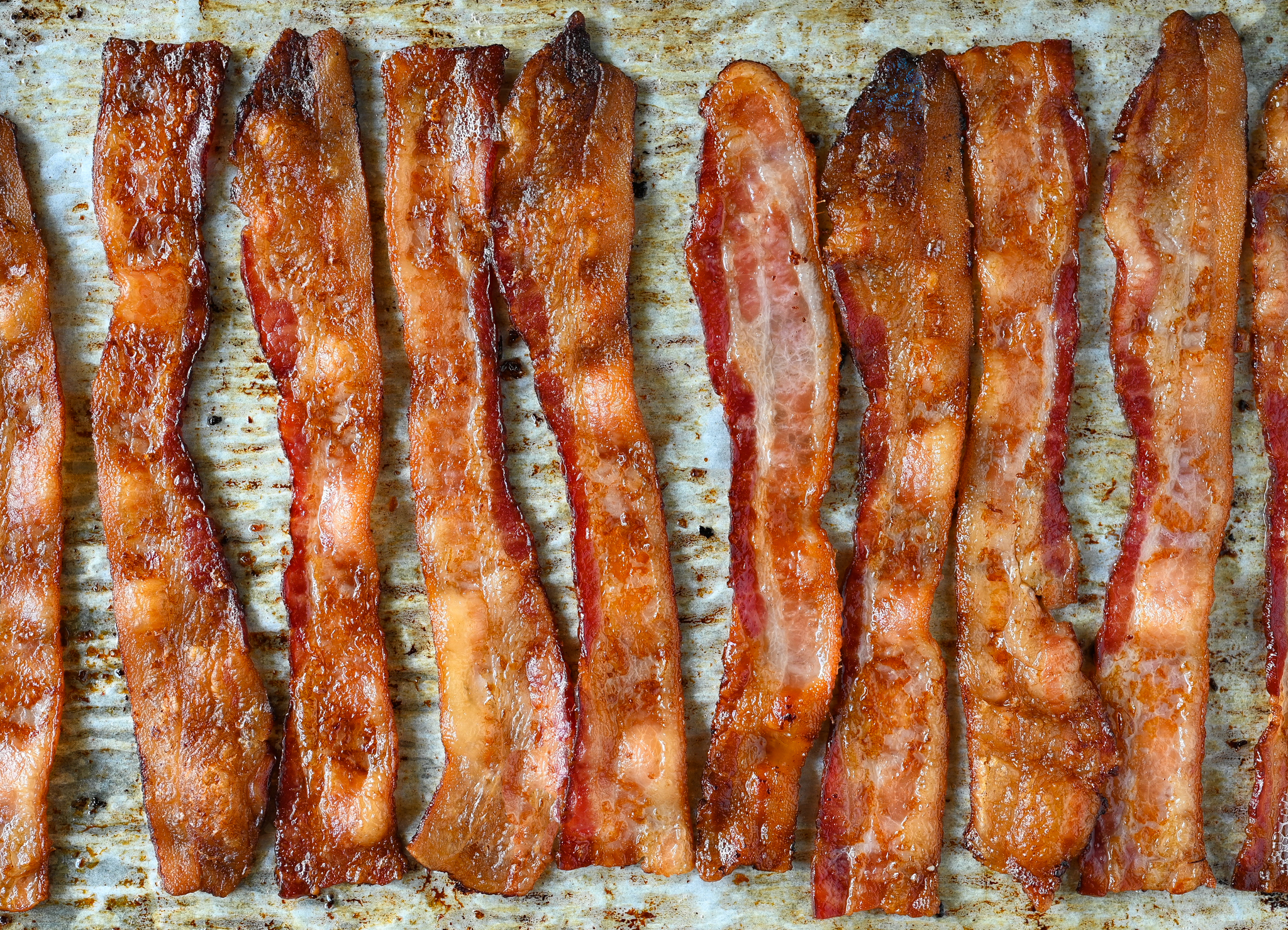
How to Cook Bacon in the Oven
www.onceuponachef.com · 20 min

Slow-Baked BBQ Short Ribs
www.onceuponachef.com · 195 min

Beef Stew
www.onceuponachef.com · 240 min

Bruschetta
www.onceuponachef.com · 30 min

Chicken Burrito Bowls with Spicy Green Sauce
www.onceuponachef.com · 120 min

Blackened Chicken
www.onceuponachef.com · 50 min

Best Baby Back Ribs
www.onceuponachef.com · 150 min

Broiled Flat Iron Steak with Soy Ginger Sauce
www.onceuponachef.com · 30 min

Souvlaki
www.onceuponachef.com · 45 min
Related terms
- GrillGrilling cooks food on a grate over direct, high heat from charcoal, gas or wood. It gives a browned, smoky crust and those dark stripes in minutes.
- SearSearing browns the surface of meat or fish in a very hot pan to build a deep, flavorful crust. It adds flavor but does not seal in juices.
- Fish spatulaA fish spatula is a thin, flexible, slotted turner that slides under delicate fish, eggs and pancakes without breaking them. Here is how to use one.
- Cross-contaminationCross-contamination is when germs or allergens spread from one food, surface or hand to another. Separate raw meat, and wash hands, boards and knives.
- Deep-fryDeep-frying cooks food fully submerged in hot oil, usually 170 to 190°C (340 to 375°F), for a crisp shell and a moist inside. Here is how to do it safely.