Trim
To trim is to cut away the parts of an ingredient you do not want to cook or eat, such as excess fat, silverskin, tough stems, root ends or bruised spots.
Also called Trimmed, Trimming, Trimmings.
To trim means to cut off the parts of an ingredient that are tough, inedible or not wanted in the dish. It is often the first step after washing. Recipes trim fat and connective tissue from meat, the ends and tough parts from vegetables, and the stalks from herbs.
How to do it
Meat:
- Pat the meat dry. Cold meat is easier to trim.
- Cut away thick, hard fat, leaving a thin layer of about 3 mm (1/8 inch) if the recipe wants some fat.
- Remove silverskin, the thin, shiny membrane on tenderloins and racks. Slide the tip of a thin knife under one end, grip the end, and run the blade along it, angled slightly up toward the membrane.
- Cut off any gristle or blood spots.
Vegetables:
- Green beans: line them up and cut off the stem ends. The tails can stay.
- Asparagus: snap or cut off the woody base, usually the bottom 2 to 4 cm (1 to 1 1/2 inches).
- Leeks: cut off the root and the dark green tops, then wash out the grit.
- Brussels sprouts: cut a thin slice off the base and pull off any yellow outer leaves.
- Onions and garlic: cut off the root and stem ends.
Herbs: pull leaves off woody stems such as thyme and rosemary. Soft stems of parsley and cilantro (coriander in the UK) can be chopped with the leaves.
Common mistakes
- Trimming all the fat from a steak or roast. A thin layer adds flavor and keeps it moist.
- Leaving silverskin on. It does not soften when cooked and curls the meat.
- Cutting off much more than needed. Use a paring knife for small, careful cuts.
- Throwing away good trimmings. Onion ends, carrot peels, herb stems and bones make good stock.
In recipes
"Trimmed" means the unwanted parts are already removed. "Trimmed weight" is the weight after trimming, which can be much less than what you buy. A rib bone scraped clean is a French trim. Removing the center of a fruit or vegetable is called coring.
Recipes that use this technique
49 recipes from the sites we collect.

Baklava
www.onceuponachef.com · 110 min

Pigs in a Blanket with Spicy Honey Mustard Sauce
www.onceuponachef.com · 65 min

Cacio e Pepe Frittata with Lemony Yogurt and Arugula Salad
www.skinnytaste.com · 60 min

Detox Rainbow Roll-Ups with Peanut Sauce
pinchofyum.com · 45 min

Asparagus and Feta Tartlet with Phyllo Crust
www.skinnytaste.com · 50 min

Sauteed Collard Greens with Bacon
www.skinnytaste.com · 20 min

Baked Brie en Croûte with Honey, Dried Cherries, Pecans & Rosemary
www.onceuponachef.com · 40 min

Baked Tostones (Green Plantains)
www.skinnytaste.com · 30 min

Perfect Pie Crust
www.onceuponachef.com · 30 min

Bourbon Pecan Pie
www.onceuponachef.com · 105 min

Roasted Spiralized Butternut Squash Noodles
www.skinnytaste.com · 25 min
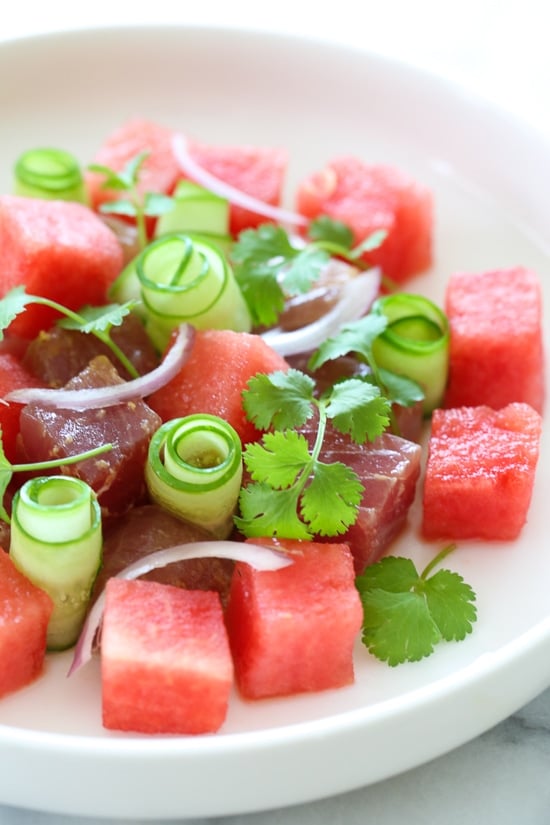
Ahi Tuna Watermelon Salad
www.skinnytaste.com · 60 min
Related terms
- French trimFrench trimming is scraping the meat and fat off the end of a rib bone so it stands clean, as on a rack of lamb, for a neat look and easy carving.
- PeelTo peel is to remove the skin or rind from fruit and vegetables with a peeler, a knife, your fingers or a quick blanch, keeping as much flesh as you can.
- CoreTo core is to cut out the tough center of a fruit or vegetable, such as the seeds of an apple, the stem of a tomato or the heart of a cabbage.
- StockStock is an unsalted liquid made by simmering bones, vegetables and aromatics in water for hours. It is the base of soups, sauces, gravy and risotto.
- Paring knifeA paring knife is a small knife with an 8 to 10 cm blade for peeling, trimming, coring and other detailed work. Here is how to use it safely.