Vanilla bean
A vanilla bean is the cured pod of a vanilla orchid, full of tiny fragrant seeds. How to split, scrape and steep it, and how it compares to extract.
Also called Vanilla pod, Vanilla beans, Vaniljstång.
A vanilla bean is the long, dark, cured seed pod of a climbing orchid. Inside is a sticky paste of thousands of tiny black seeds. The pods are picked green and then cured for months, which develops their sweet, creamy, floral smell. In the UK they are usually called vanilla pods. A good bean is plump, glossy, soft and bends without snapping.
How to use it
- Lay the bean flat and split it lengthwise with the tip of a small knife.
- Scrape the seeds out by running the back of the knife along each half.
- Add the seeds to batters, custards, whipped cream or ice cream bases.
- For custards and sauces, put the seeds and the empty pod in the milk or cream, warm it until steaming (scald it), then cover and leave it to steep for 15 to 30 minutes. Remove the pod before using.
This is how crème pâtissière, crème anglaise, panna cotta and rice pudding get their flavor and the black specks that show real vanilla was used.
Do not throw the pod away. Rinse and dry it, then bury it in a jar of superfine sugar (caster sugar in the UK) to make vanilla sugar, or steep it in a bottle of vodka for homemade extract.
Substitutes
As a rough guide, one bean equals about 1 tablespoon (15 ml) of pure vanilla extract or 1 tablespoon of vanilla bean paste. Paste includes seeds, so it gives the same specks. Extract is best added after cooking or to batters, as heat drives off some aroma. Swedish recipes often use vaniljsocker instead.
How to store it
Wrap the beans tightly in plastic, then seal them in a jar or bag. Keep them in a cool, dark cupboard. Do not keep them in the fridge, where they can dry out or grow mold. Well-stored beans last for months. If they turn hard, soak them in warm milk before using.
Common mistakes
- Buying dry, brittle beans. They have little flavor left.
- Only using the pod and throwing away the seeds. The seeds hold most of the flavor.
- Using imitation vanilla flavoring in custards where vanilla is the main taste. It tastes flat and sweet.
In recipes
Most beans sold are Bourbon vanilla from Madagascar and nearby islands, which tastes rich and creamy. Mexican vanilla is spicier. Tahitian vanilla is a different species and smells more floral and fruity.
Recipes that use it
8 recipes from the sites we collect.

Homemade Vanilla Bean Marshmallows
www.skinnytaste.com · 40 min
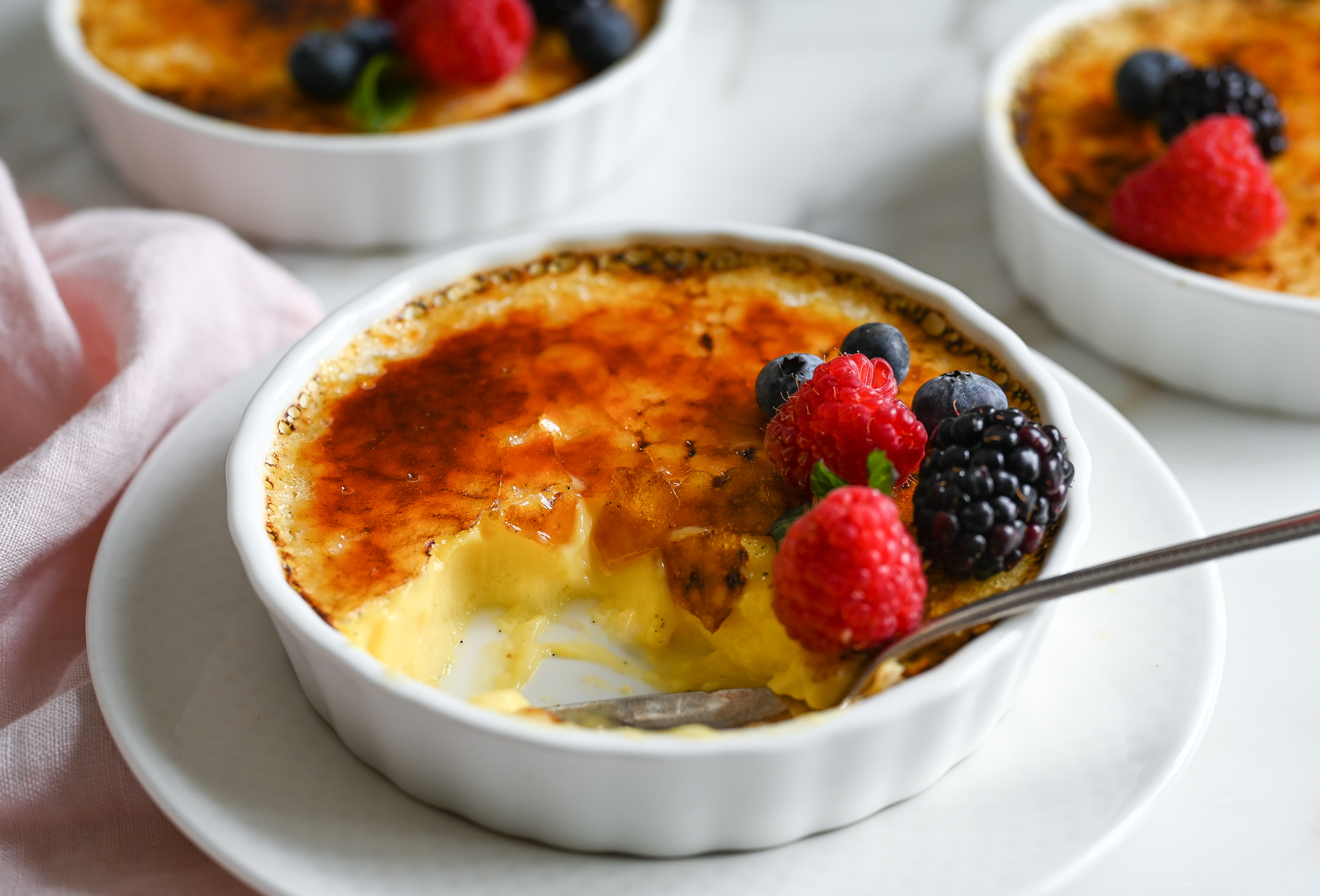
Crème Brûlée
www.onceuponachef.com · 60 min

Vanilla Ice Cream
www.onceuponachef.com · 25 min

Vanilla Mint Iced Coffee
pinchofyum.com · 20 min
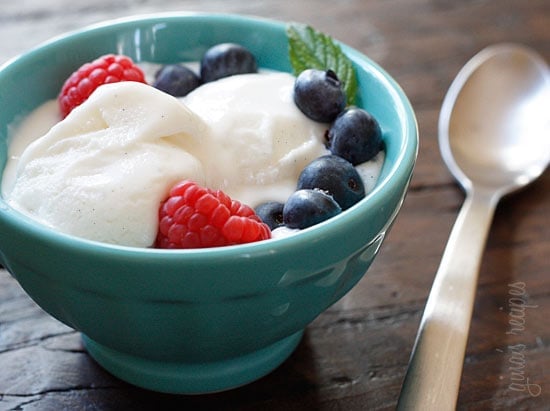
Low Fat Vanilla Bean Frozen Yogurt
www.skinnytaste.com · 20 min

Pumpkin Hazelnut Flaugnarde (Clafoutis)
www.skinnytaste.com · 40 min

Vanilla Bean Sugar
www.skinnytaste.com · 10 min

Vanilla Bean Coconut Ice Cream
minimalistbaker.com · 425 min
Related terms
- VaniljsockerVaniljsocker is Swedish vanilla sugar, a fine powder measured by the teaspoon in baking. What it is and how much vanilla extract to use instead.
- Crème pâtissièreCrème pâtissière is a thick custard of milk, egg yolks, sugar and starch, used to fill eclairs, tarts and doughnuts. Here is how to make it smooth.
- ScaldTo scald milk is to heat it until small bubbles appear at the edge and steam rises, about 82°C (180°F), without letting it boil. Here is how and why.
- Superfine sugarSuperfine sugar is white sugar with very fine crystals that dissolve fast, ideal for meringues and sponges. In the UK it is called caster sugar.
- MeringueMeringue is egg whites whipped with sugar into a glossy foam, baked crisp or used soft on pies. Here are the French, Swiss and Italian methods and fixes.