Vinaigrette
Vinaigrette is a dressing of oil and vinegar, usually three parts oil to one part acid, with salt and mustard. It dresses salads, vegetables and grains.
Also called French dressing, Oil and vinegar dressing.
A vinaigrette is a simple sauce of oil and an acid, usually vinegar or lemon juice, seasoned with salt and often mustard. It is the most common salad dressing and is also spooned over vegetables, grains, beans, fish and grilled meat. The classic ratio is 3 parts oil to 1 part acid.
How to do it
For about 120 ml (1/2 cup):
- In a bowl or jar, mix 2 tablespoons of vinegar or lemon juice with a pinch of salt until it dissolves.
- Add 1 teaspoon of Dijon mustard and a finely chopped shallot if you like. Let the shallot sit in the vinegar for 5 to 10 minutes to soften.
- Whisk in 6 tablespoons of olive oil in a slow stream, or put a lid on the jar and shake hard.
- Taste on a leaf of the salad and adjust the salt and acid.
Why it works
Oil and vinegar do not stay mixed. Whisking breaks the oil into tiny drops, forming a temporary emulsion. Mustard contains compounds that coat the drops and slow them from joining up again, so the dressing stays thick and creamy for longer. Salt dissolves in vinegar but not in oil, which is why it goes in first.
How to use it
Try different oils and acids: walnut oil with sherry vinegar, olive oil with lemon, or balsamic vinegar with a drop of honey. For soft lettuce, dress just before serving. Warm potatoes, lentils and beans soak up dressing best when they are still warm.
How to store it
A plain oil, vinegar and mustard vinaigrette keeps in a jar in the fridge for up to 2 weeks. With fresh garlic, shallot or herbs, use it within 3 to 4 days. Olive oil may set when cold; let it warm up and shake again.
Common mistakes
- Dressing greens too early, so they wilt.
- Using wet leaves, which push the dressing off. Dry them well.
- Adding salt after the oil, so it does not dissolve.
- Sticking to 3 to 1 when the acid is mild or sharp. Taste and adjust.
In recipes
In the US, "French dressing" can also mean a sweet, orange, tomato-based bottled dressing, which is a different thing.
Vinaigrette recipes
73 recipes from the sites we collect.

Salad with Berries and Pecans
www.skinnytaste.com · 5 min

Spinach Salad with Warm Bacon Dressing
www.onceuponachef.com · 20 min

Sesame Crusted Tuna Steak on Arugula
www.skinnytaste.com · 20 min

Summer Tomato & Cantaloupe Salad
minimalistbaker.com · 20 min

Nicoise Salad
www.skinnytaste.com · 50 min

Chopped Feta Salad
www.skinnytaste.com · 15 min

Grilled Shrimp and Watermelon Chopped Salad
www.skinnytaste.com · 29 min

Apple Pecan Arugula Salad
minimalistbaker.com · 15 min
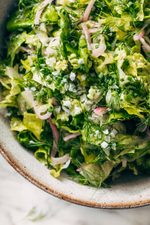
Liz's Bistro Salad
pinchofyum.com · 45 min

Kale Citrus Salad
minimalistbaker.com · 30 min

Baby Spinach Salad with Honey Roasted Butternut Squash, Pumpkin Seeds, Gorgonzola and Dried Cherries
www.skinnytaste.com · 30 min

Asparagus and Green Lentils with Poached Egg
www.skinnytaste.com · 30 min
Related terms
- EmulsionAn emulsion is a mix of oil and water, which normally do not blend, held together as tiny drops. Mayonnaise and vinaigrette are emulsions.
- AcidAcid is the sour taste from lemon, vinegar, wine, tomatoes and yogurt. A splash at the end brightens a flat dish and balances salt, fat and sweetness.
- Balsamic vinegarBalsamic vinegar is a dark, sweet Italian vinegar made from grape must. Learn which kind to buy, how to use it and what to swap in.
- Sherry vinegarSherry vinegar is a nutty, aged Spanish vinegar made from sherry. It brightens gazpacho, romesco, dressings and pan sauces with a rounded tang.
- ShallotA shallot is a small, mild onion that grows in clusters, sweeter and gentler than a regular onion. Here is how to use it and what to swap in for it.
- MacerateTo macerate is to soak fruit in sugar, alcohol or juice so it softens and releases its own syrup. It takes 15 minutes to a few hours and needs no heat.