Whisk
To whisk is to mix quickly with a wire whisk to blend, smooth out lumps or add a little air. Here is how to whisk well and which whisk to reach for.
Also called Whisking, Whisked.
To whisk means to stir quickly with a whisk, a tool made of looped wires. The wires cut through a mix many times with each stroke, so you blend ingredients fast, break up lumps and work in some air. You whisk eggs, dry ingredients, dressings and sauces. "Whisk" is both the tool and the action.
How to do it
- Pick a bowl wide enough for the whisk to move freely. A damp towel underneath keeps it from sliding.
- Hold the whisk like a hammer, near the top of the handle.
- For mixing, move in quick circles or side to side, keeping the wires touching the bottom of the bowl.
- For adding air, tilt the bowl and lift the whisk up through the mix in loops.
- In a pan, move the whisk in a figure 8 and along the edges, so nothing catches in the corners.
Why it works
Each wire is a blade that slices through the liquid. A whisk with many wires does many cuts per stroke, so lumps break up fast and drops of oil split into tiny droplets. That is how whisking makes an emulsion, such as a vinaigrette, hold together for a while.
How to use it
- Balloon whisk: a round, open shape. Best for adding air to cream and egg whites.
- French or sauce whisk: narrower and stiffer. Good for sauces and custards in a pan.
- Flat whisk: reaches the edges of a skillet for gravy and roux.
- Silicone-coated whisk: for nonstick pans.
Common mistakes
- Using a whisk in a very thick dough or batter. The dough clogs the wires. Use a spatula or spoon.
- Whisking flour into a hot liquid all at once. Lumps form. Mix the flour with a little cold liquid first, or add it slowly while whisking.
- A small bowl. The mix splashes out.
- Scraping a metal whisk in a nonstick pan. It scratches the coating.
In recipes
"Whisk together the dry ingredients" means mix them well with a whisk instead of sifting. "Whisk the eggs" means beat them until even. When a recipe wants lots of air in cream or whites, it usually says whip. In British recipes, "whisk" often covers whipping too.
Recipes that use this technique
1008 recipes from the sites we collect.

Epic Hummus Board
www.onceuponachef.com · 60 min

Thai Marinated Grilled Chicken Skewers with Peanut Sauce
www.onceuponachef.com · 40 min

Chocolate Loaf Cake
www.onceuponachef.com · 70 min

Veggie Ham and Cheese Egg Casserole
www.skinnytaste.com · 60 min

Spicy Gochujang Tofu Bowls (Vegan, Gluten-Free)
www.skinnytaste.com · 25 min
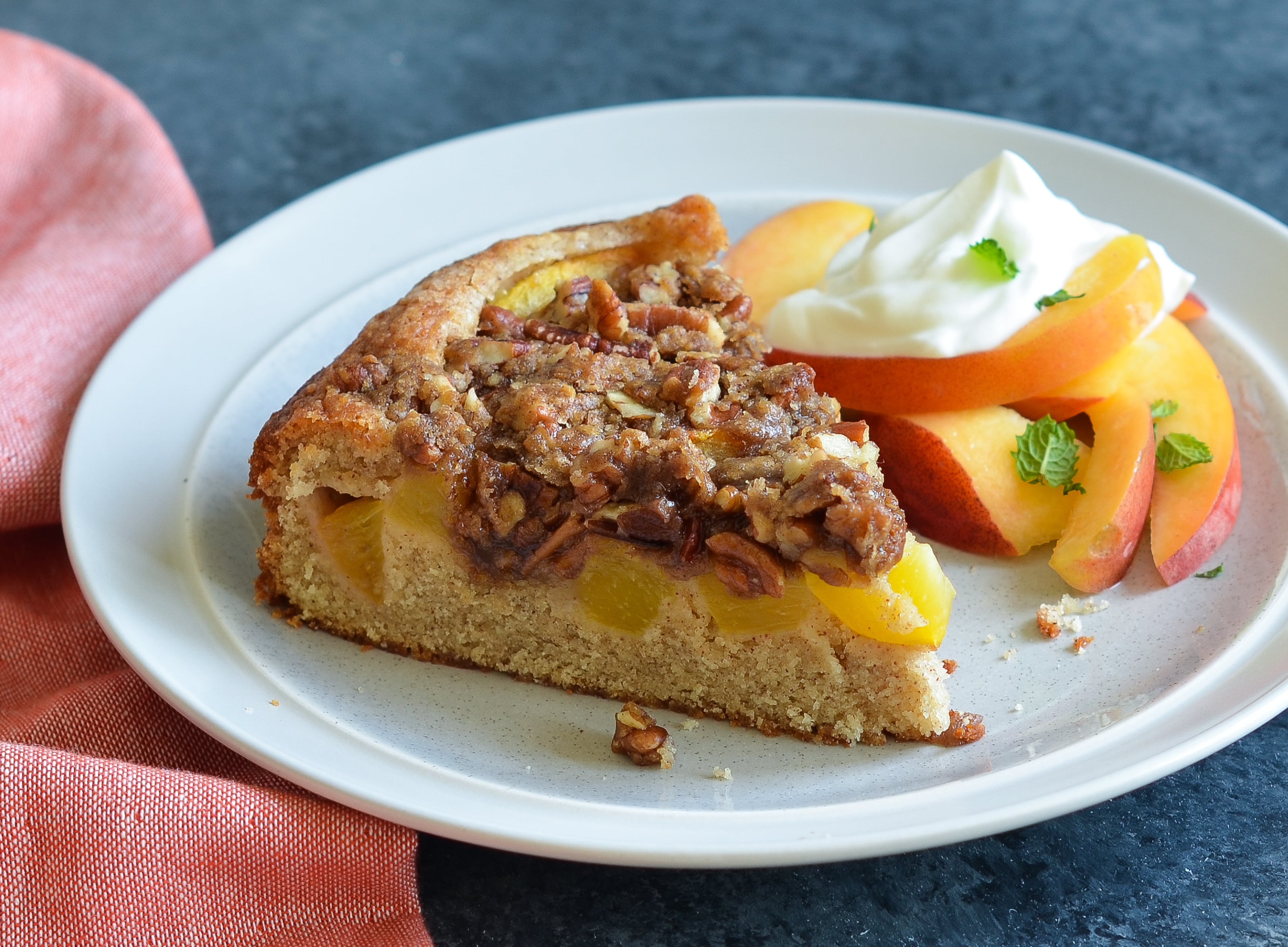
Peach Cake with Pecan Streusel
www.onceuponachef.com · 80 min

Spaghetti & Meatballs
www.onceuponachef.com · 50 min

Beef Carpaccio
www.skinnytaste.com

Crab Soup
www.onceuponachef.com · 20 min

Shrimp Salad
www.onceuponachef.com · 15 min

BBQ-Spiced Chicken Thighs with Tangy Honey Glaze
www.onceuponachef.com · 30 min

Pizza Sausage Rolls
www.skinnytaste.com · 50 min
Related terms
- WhipTo whip is to beat cream or egg whites fast to fill them with air until they thicken and hold peaks. Here is how to get there without overwhipping.
- BeatTo beat is to mix hard and fast with a spoon, whisk or mixer until a batter is smooth or eggs are blended. Here is how long to beat and when to stop.
- EmulsionAn emulsion is a mix of oil and water, which normally do not blend, held together as tiny drops. Mayonnaise and vinaigrette are emulsions.
- VinaigretteVinaigrette is a dressing of oil and vinegar, usually three parts oil to one part acid, with salt and mustard. It dresses salads, vegetables and grains.
- Ribbon stageThe ribbon stage is when eggs and sugar are whisked so thick that the mix falls in a ribbon that sits on the surface. It is the base of a light sponge.
- RouxA roux is equal weights of flour and fat cooked together to thicken sauces, soups and gravies. Cook it white, blond or brown depending on the dish.