Mirin
Mirin is a sweet Japanese rice wine for cooking. It adds gentle sweetness and shine to teriyaki, glazes, broths and dressings. How to swap it.
Also called Hon mirin, Sweet rice wine.
Mirin is a sweet rice wine used only for cooking. It is made by fermenting steamed glutinous rice with koji and a distilled rice spirit, which leaves a thick, golden liquid with a clean sweet taste. It balances salty soy sauce, gives sauces a shine and helps hide fishy smells.
How to use it
- Teriyaki sauce. Mix equal parts soy sauce, mirin and sake, with a little sugar if you like. Simmer until syrupy and brush over fish, chicken or tofu as a glaze.
- Noodle broths and dipping sauces. Mix with dashi and soy sauce for udon, soba and tempura dips.
- Simmered dishes. Add it to stews and braised vegetables for sweetness.
- Dressings. Use a little with rice vinegar and soy sauce to dress salads.
Real mirin has about 14 percent alcohol. When you use it in a cold dressing, simmer it for a minute or two first to cook off the alcohol. In cooked dishes, most of the alcohol cooks off, though some always remains.
Substitutes
- 1 tablespoon sake or dry sherry plus 1 teaspoon sugar for each tablespoon of mirin. This is the closest swap.
- Dry white wine with sugar, in the same ratio.
- For an alcohol-free version, use water or rice vinegar with sugar, about 1 tablespoon liquid and 1 teaspoon sugar. Add less if using vinegar, as it is sour.
How to store it
Real mirin keeps in a cool cupboard after opening. Mirin-style seasonings have less alcohol, so keep them in the fridge once opened. Either way, it is best within a few months.
In recipes
There are two kinds on the shelf. Hon mirin is true mirin. Mirin-style seasonings, often labeled aji-mirin, contain little or no alcohol and are sweetened with syrup. They are cheaper and work in most recipes, but they taste sweeter and simpler. Read the label if you avoid alcohol. Do not confuse mirin with sake, which is drier, or with Shaoxing wine, which is a darker Chinese cooking wine.
Recipes that use it
18 recipes from the sites we collect.

Korean Salmon Rice Bowl
www.skinnytaste.com · 21 min

Chicken and Zucchini Yakitori
www.skinnytaste.com · 60 min

Miso Salmon Recipe
www.skinnytaste.com · 372 min

Gochujang-Glazed Salmon
www.skinnytaste.com · 10 min
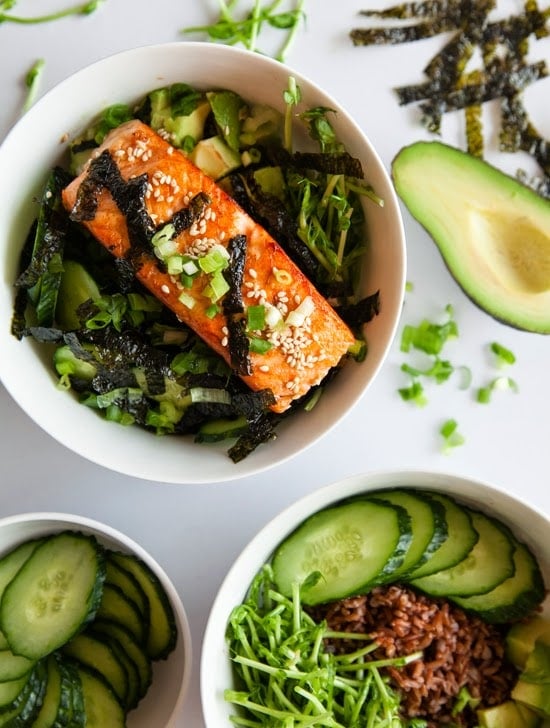
Seattle Asian Salmon Bowl
www.skinnytaste.com · 20 min

Yakitori
www.onceuponachef.com · 35 min

Honey-Teriyaki Salmon
www.skinnytaste.com · 15 min

Teriyaki Salmon
www.onceuponachef.com · 20 min

Yakisoba
www.onceuponachef.com · 40 min

Gochujang-Honey Glazed Shrimp Skewers
www.skinnytaste.com · 16 min

Chicken Teriyaki
www.onceuponachef.com · 30 min
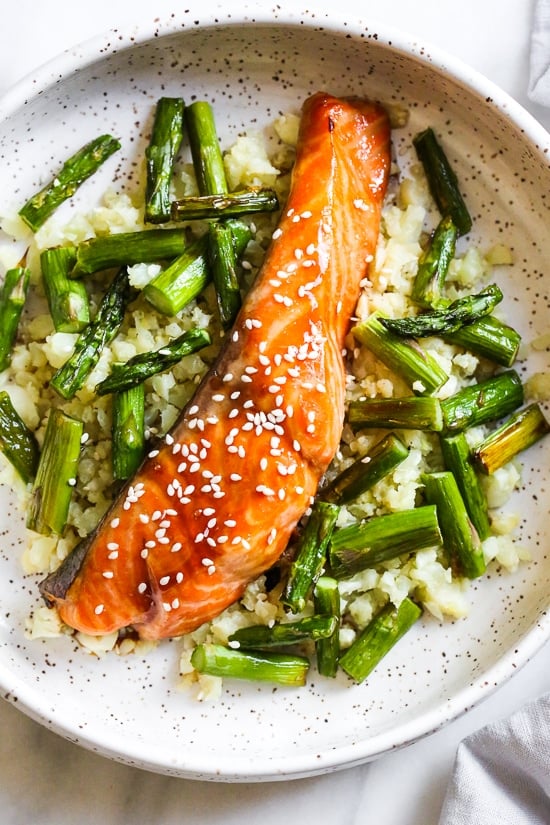
Honey-Teriyaki Salmon and Asparagus Veggie Rice Bowls
www.skinnytaste.com · 15 min
Related terms
- Soy sauceSoy sauce is a salty, savory sauce brewed from soybeans, wheat and salt. Light, dark and tamari explained, plus how to use it, swap it and store it.
- Rice vinegarRice vinegar is a mild, slightly sweet vinegar made from rice. It seasons sushi rice, dressings, quick pickles and dipping sauces across Asia.
- Shaoxing wineShaoxing wine is an amber Chinese rice wine with a nutty, sherry-like taste. It seasons stir-fries, marinades and braises. Swap in dry sherry.
- DashiDashi is the light Japanese stock made from kombu and bonito flakes. It is the base of miso soup and many sauces, and takes under 30 minutes to make.
- GlazeA glaze is a thin, shiny coating brushed or poured on food, from sugar icing on cakes to jam on tarts and sticky sauces on meat. Here is how to make one.
- Cook off the alcoholTo cook off the alcohol is to simmer wine or spirits so the harsh taste fades. Here is how long it takes and why some alcohol always stays in the dish.