Peel
To peel is to remove the skin or rind from fruit and vegetables with a peeler, a knife, your fingers or a quick blanch, keeping as much flesh as you can.
Also called Peeled, Peeling, Rind.
To peel means to take the outer skin or rind off a fruit or vegetable. The right method depends on how thick and how tight the skin is. Thin skins come off with a vegetable peeler, and thick rinds need a knife. Tight, thin skins on tomatoes and peaches slip off after a short blanch.
How to do it
- Peeler: for carrots, potatoes, apples, cucumbers and parsnips. Hold the vegetable in one hand and pull the peeler toward you or away from you in long strokes. Turn the vegetable as you go.
- Knife: for thick skins such as squash, celery root, pineapple and melon. Cut off both ends so it stands flat, then cut down the sides following the curve. A paring knife works for small fruit like kiwi and citrus.
- Blanching: for tomatoes, peaches and pearl onions. Score an X in the base, blanch in boiling water for 15 to 30 seconds for ripe tomatoes, a little longer for peaches, cool in ice water, then pull the skin off. This is the first step of a tomato concassé.
- Garlic: crush the clove lightly with the flat of a knife and the skin cracks open.
- Ginger: scrape the skin off with the edge of a spoon. It follows the bumps and wastes little.
Common mistakes
- Peeling when you do not need to. Young carrots, new potatoes and cucumbers are fine with a good scrub, and the skin adds texture.
- Cutting too deep with a knife and losing a lot of flesh.
- Peeling potatoes, apples or pears long before cooking. They turn brown. Keep potatoes in cold water and toss fruit in lemon juice.
- Pulling the peeler in fast, hard strokes toward your hand. Work slowly and keep your fingers clear.
In recipes
"Peeled" means the skin or rind is off. "Peel" as a noun is the outer layer of citrus, as in "candied orange peel". The colored outer part alone is called zest. Taking the skin off fish, chicken or nuts is usually called skinning.
Recipes that use this technique
94 recipes from the sites we collect.

Sweet Potato Gratin Recipe
www.skinnytaste.com · 65 min

Slow Cooker Butternut Pear Soup
www.skinnytaste.com · 485 min

Ahi Poke Bowl with Mango
www.skinnytaste.com · 15 min

Air Fryer Egg Salad
www.skinnytaste.com · 20 min

Instant Pot Deviled Eggs
www.skinnytaste.com · 20 min

Oven Roasted Tomatoes
www.skinnytaste.com · 50 min

Yule Log (Bûche de Noël)
www.onceuponachef.com · 60 min

Green Scallop Tacos
www.skinnytaste.com · 30 min

Air Fryer Sweet Potato Fries
www.skinnytaste.com · 20 min

Guacamole Deviled Eggs
www.skinnytaste.com · 30 min
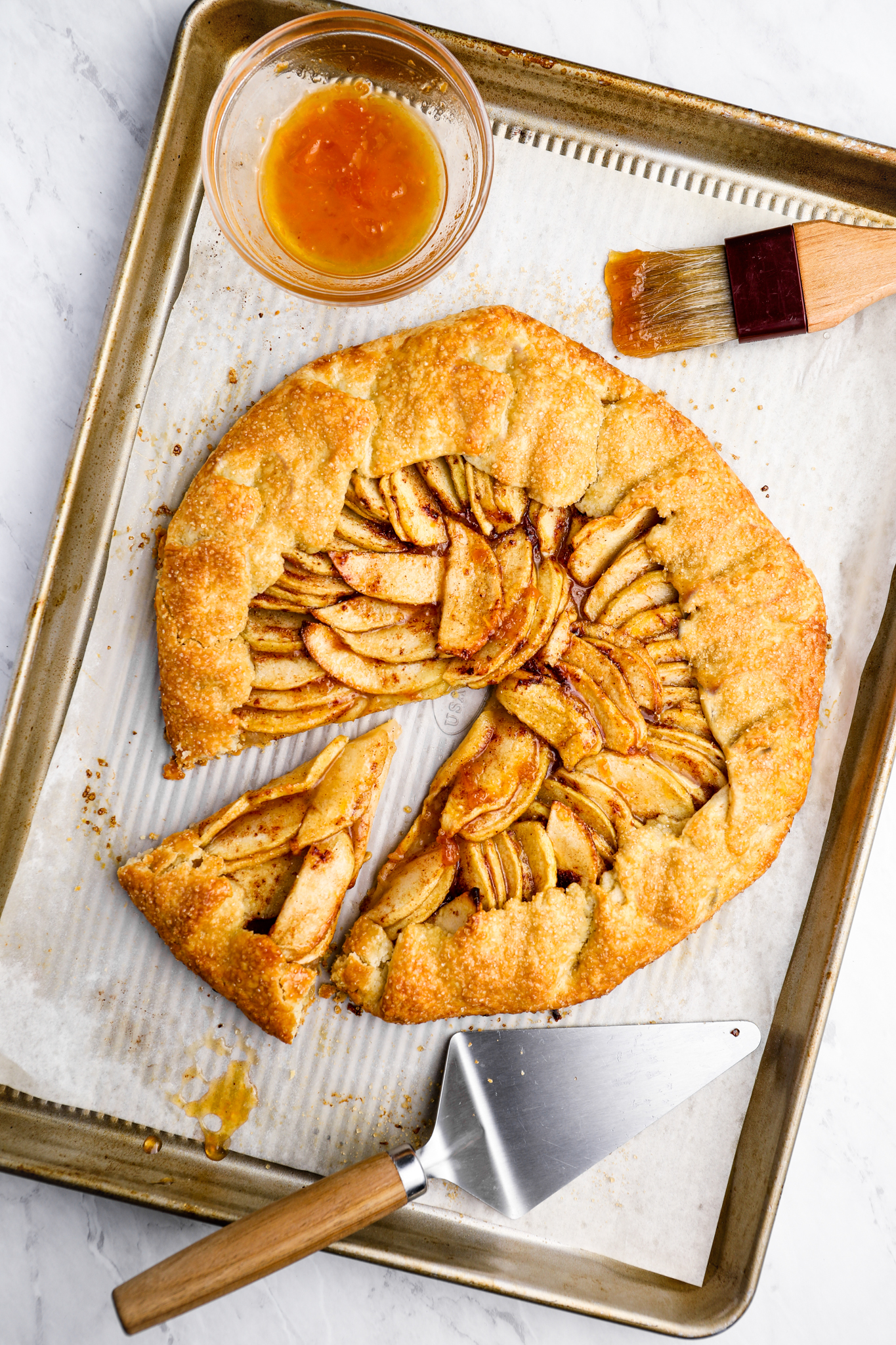
French Apple Tart
www.onceuponachef.com · 90 min

Poached Pears
www.onceuponachef.com · 60 min
Related terms
- SkinTo skin is to remove the skin from fish, poultry, nuts or peppers, by cutting, pulling, rubbing or charring, depending on what the food is and the dish.
- ZestZest is the thin, colored outer layer of citrus peel, full of fragrant oils. To zest a lemon is to scrape off that layer and leave the bitter pith.
- BlanchBlanching is cooking food for a short time in boiling water, then stopping the cooking in ice water. It sets color and loosens skins.
- ConcasséConcassé is tomato that has been peeled, seeded and cut into small, even dice, ready for sauces, salsas and garnishes with no skin or watery seeds.
- Paring knifeA paring knife is a small knife with an 8 to 10 cm blade for peeling, trimming, coring and other detailed work. Here is how to use it safely.