Powdered sugar
Powdered sugar is sugar ground to a fine powder for frosting, glazes and dusting. In the UK it is icing sugar, in the US also confectioners' sugar.
Also called Icing sugar, Confectioners' sugar, 10X sugar, Florsocker, Puderzucker.
Powdered sugar (icing sugar in the UK) is white sugar ground into a soft, very fine powder. It dissolves almost at once, so it makes smooth frostings, glazes and icings without grit. It is also dusted over cakes, waffles and pastries, and used in some cookies, shortbread and French meringue toppings.
How to do it
To make your own:
- Put granulated sugar in a blender or spice grinder. For every 200 g (1 cup) of sugar, add 1 tablespoon cornstarch if you want it to keep without clumping.
- Blend on high for 1 to 2 minutes, until it is a fine, soft powder.
- Let the dust settle before you open the lid, then sift it.
200 g of granulated sugar gives about 1¾ to 2 cups of powdered sugar.
How to use it
It has many names:
- Powdered sugar or confectioners' sugar in the US. Bags may also say 10X, which refers to how fine it is ground.
- Icing sugar in the UK, Ireland, Canada, Australia and New Zealand.
- Florsocker in Sweden and Puderzucker in Germany.
American powdered sugar usually contains a small amount of cornstarch, around 3 percent, to stop it caking. Icing sugar elsewhere often has a little anti-caking agent instead. Either works in the same recipes.
Sift it before use. It clumps in the bag, and lumps stay as white spots in a glaze or frosting. By volume it is light: a US cup weighs about 120 g, much less than a cup of granulated sugar.
For a simple glaze, stir 120 g (1 cup) of sifted powdered sugar with 1½ to 2 tablespoons of milk or lemon juice. Add the liquid a little at a time. It goes from stiff to runny very quickly.
Substitutes
You cannot use granulated sugar in a frosting or glaze. It stays gritty. Grind it as above instead. Superfine sugar (caster sugar in the UK) is finer than granulated but still not a powder.
How to store it
Keep it in an airtight container in a dry cupboard. Humid air makes it clump and harden.
Common mistakes
- Dusting a warm cake. The sugar melts and disappears. Wait until it is cool.
- Swapping it for granulated sugar by volume in baking. A cup of it holds much less sugar, and the starch changes the texture.
In recipes
You will see "2 cups powdered sugar, sifted", "250 g icing sugar" and "icing sugar, for dusting".
Recipes that use it
191 recipes from the sites we collect.
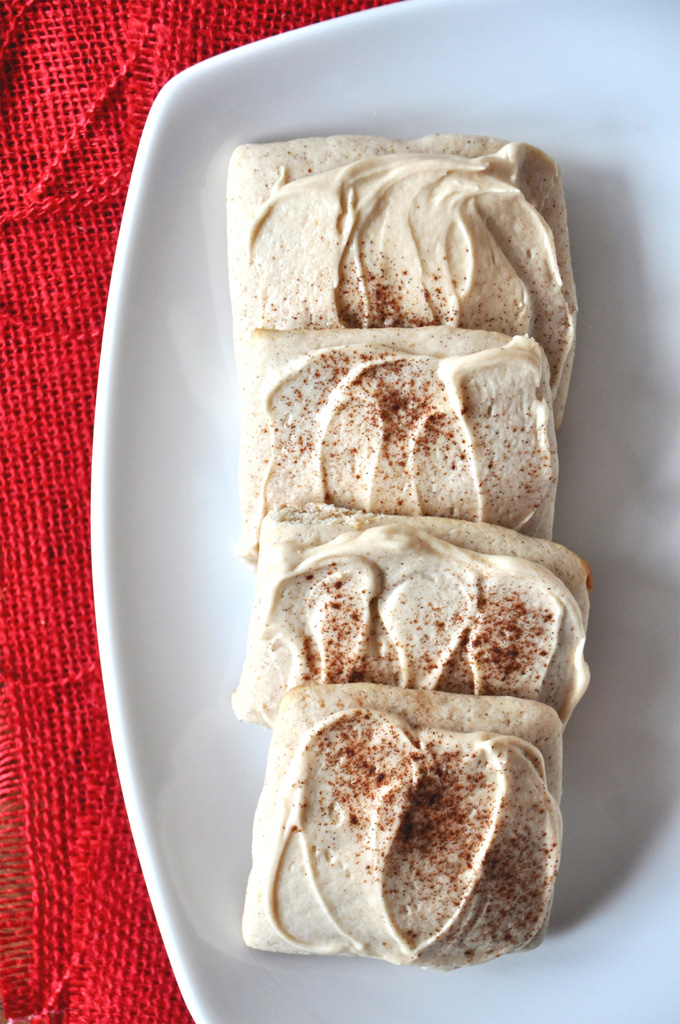
French Toast Sugar Cookies
minimalistbaker.com · 25 min

Sweet Potato Pie
www.onceuponachef.com · 140 min

Pumpkin Chocolate Chip Dutch Baby
minimalistbaker.com · 23 min

Pumpkin Scones with Maple and Molasses Glaze
minimalistbaker.com · 30 min

Overnight Honey Wheat Cinnamon Rolls
minimalistbaker.com · 540 min

Apple Streusel Breakfast Pizzas (Dairy-Free)
minimalistbaker.com · 40 min

Ginger Cookie Sandwiches with Orange Buttercream
minimalistbaker.com · 30 min

Apple Strudel
www.onceuponachef.com · 75 min

Baked Apple French Toast
www.onceuponachef.com · 70 min
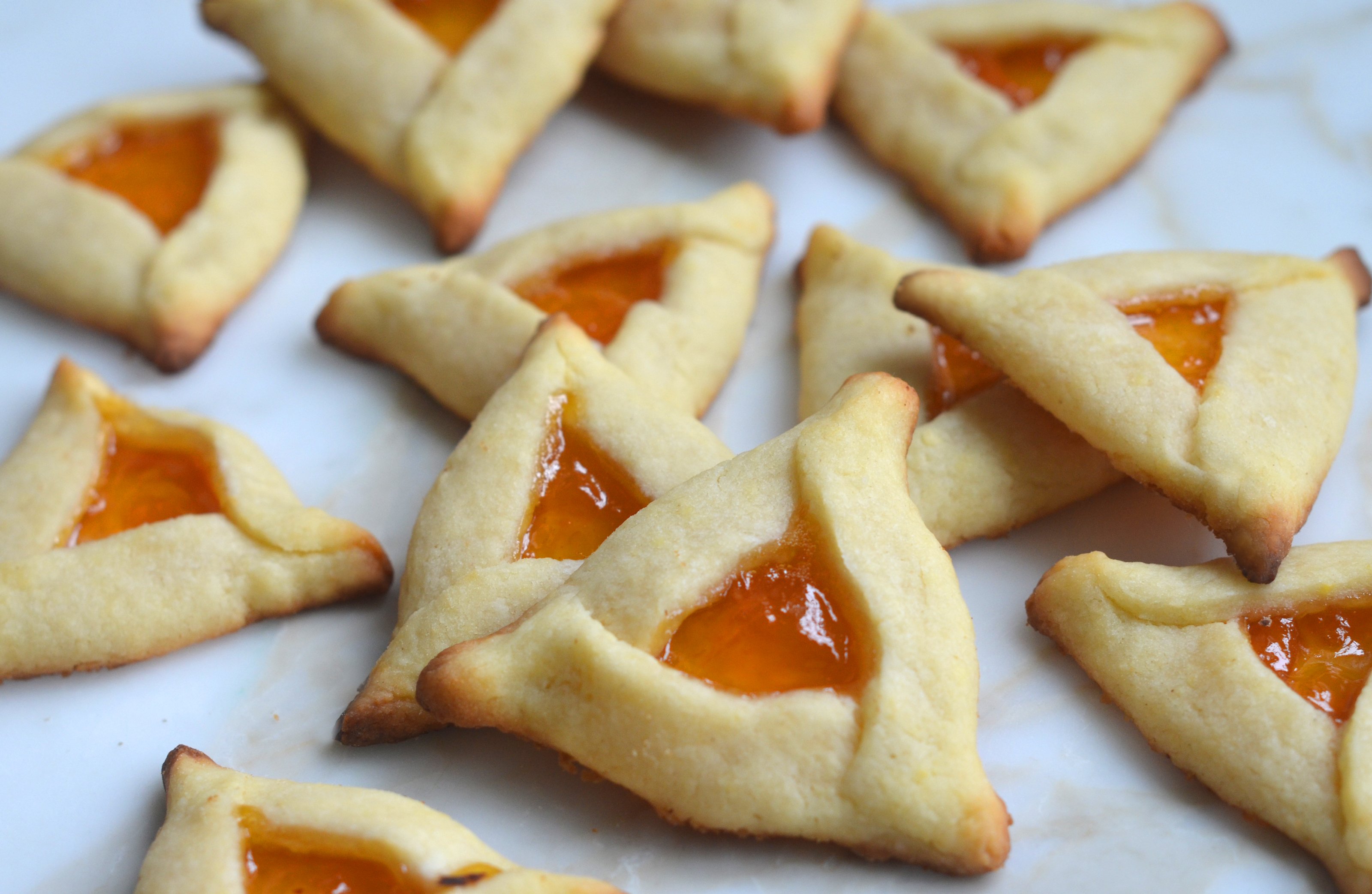
Apricot Hamantaschen
www.onceuponachef.com · 45 min

Vegan Beet Strawberry Cupcakes
minimalistbaker.com · 45 min

Vegan Dirt Cake
minimalistbaker.com · 1040 min
Related terms
- FrostTo frost is to spread a thick, creamy layer such as buttercream over a cooled cake or cupcakes. Here is how to get a smooth coat without crumbs.
- GlazeA glaze is a thin, shiny coating brushed or poured on food, from sugar icing on cakes to jam on tarts and sticky sauces on meat. Here is how to make one.
- SiftTo sift is to pass flour, cocoa or sugar through a fine sieve to break up lumps and add air. Here is when sifting matters and when you can skip it.
- Superfine sugarSuperfine sugar is white sugar with very fine crystals that dissolve fast, ideal for meringues and sponges. In the UK it is called caster sugar.
- CornstarchCornstarch is the pure starch of corn, a fine white powder for thickening sauces and crisping coatings. In the UK, Ireland and Australia it is cornflour.
- MeringueMeringue is egg whites whipped with sugar into a glossy foam, baked crisp or used soft on pies. Here are the French, Swiss and Italian methods and fixes.