Sulfites
Sulfites are preservatives found in wine, dried fruit and some pickles. Above 10 mg per kg or liter they must be declared on EU, UK and US labels.
Also called Sulphites, Sulfur dioxide, Sulphur dioxide.
Sulfites (sulphites in the UK) are compounds based on sulfur dioxide. They are used as preservatives and to stop food turning brown, and yeast also makes small amounts during fermentation, so every wine contains some. Most people have no trouble with them. Some people react with symptoms such as wheezing, and reactions are most often reported in people with asthma. A doctor can tell you whether you need to avoid them.
How to use it
Sulfites are labeled in both the EU and the US, though the US treats them differently from its major allergens:
- In the EU and the UK, sulfur dioxide and sulfites are one of the 14 allergens. They must be declared when a food or drink contains more than 10 mg per kg or 10 mg per liter, measured as sulfur dioxide. Additive codes E220 to E228 are sulfites.
- In the US, sulfites are not one of the major food allergens, but the FDA requires them to be declared when a food contains 10 parts per million or more. Since 1986, the US has not allowed them on fresh fruit and vegetables meant to be eaten raw.
Common mistakes
- Thinking only cheap wine contains sulfites. All wine does, and "contains sulfites" appears on most bottles.
- Missing dried fruit. Bright orange dried apricots are usually treated with sulfites. Unsulfured ones are dark brown.
- Forgetting bottled lemon and lime juice, cider, beer, many vinegars including some balsamic vinegar, and rice wines such as Shaoxing wine.
- Missing them in pickles, pickled onions, dehydrated and frozen potato products, and some shrimp, where they stop black spots forming.
- Missing them in British sausages and burgers, where sulfites are a permitted preservative.
In recipes
Recipes rarely add sulfites on purpose. They come in with bought ingredients: wine, vinegar, dried fruit, bottled citrus juice and cured or preserved products. For someone who avoids them, use fresh lemon juice, unsulfured dried fruit, and stock in place of wine, and check the label of every vinegar and condiment. If you think sulfites affect you, talk to a doctor before you cut foods out.
Recipes free from it
3505 recipes from the sites we collect.

Green Pea Soup Recipe with Fresh Herbs
www.skinnytaste.com · 15 min
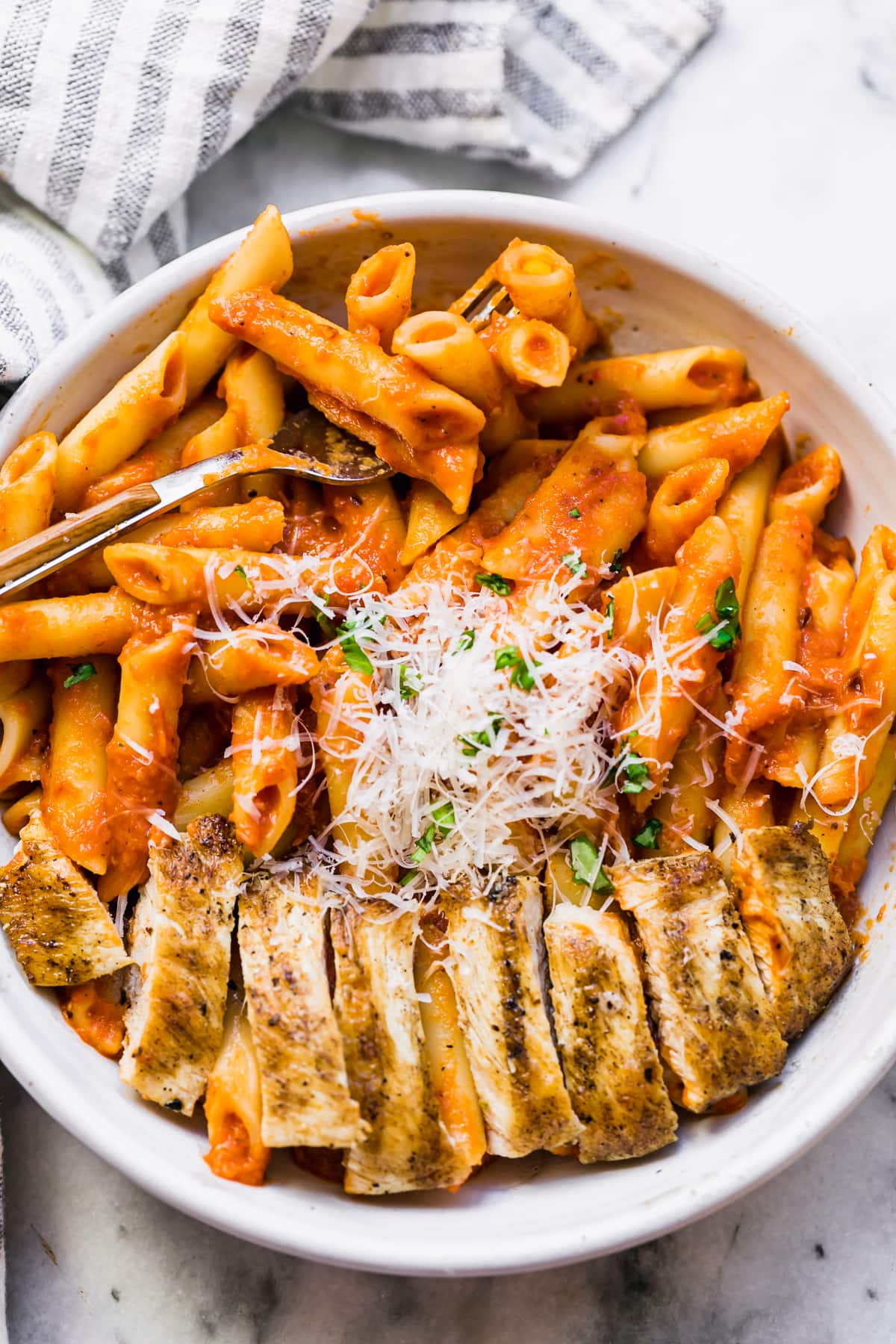
Penne alla Vodka with Chicken
www.skinnytaste.com · 60 min

Baked Honey-Mustard Ham
www.skinnytaste.com · 135 min

Lemon Poppy Seed Cupcakes
www.skinnytaste.com · 50 min

Easter Egg Cake Pops
www.skinnytaste.com · 120 min
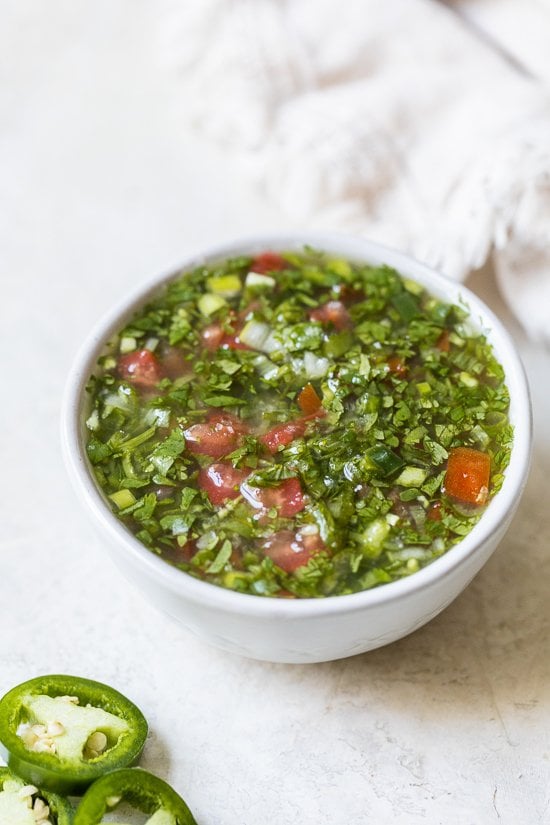
Colombian Aji Picante
www.skinnytaste.com · 5 min

Baked Rice and Peas
www.skinnytaste.com · 50 min

Pea Salad Recipe
www.skinnytaste.com · 28 min
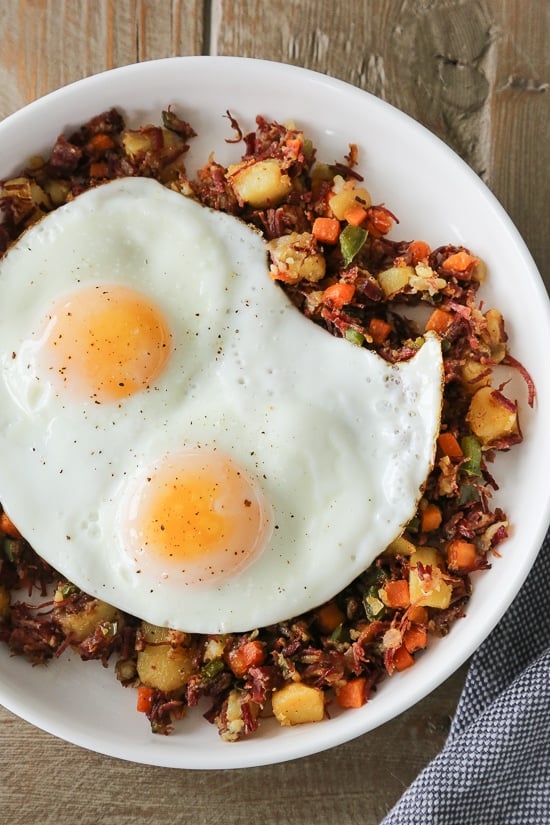
Corned Beef Veggie Hash
www.skinnytaste.com · 25 min
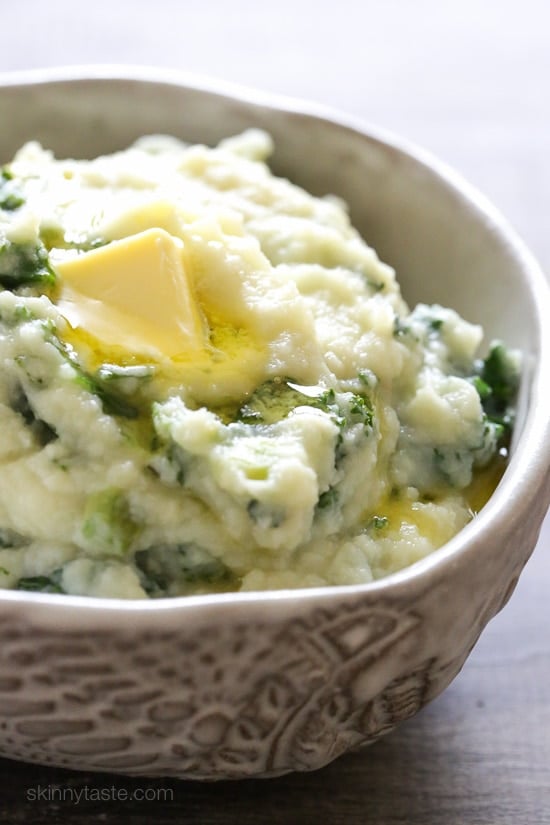
Creamy Cauliflower Mash with Kale (Low-Carb Colcannon)
www.skinnytaste.com · 30 min

Easy (10-minute) Waffled Salmon Cakes
www.skinnytaste.com · 15 min

Tofu Poke Bowl
www.skinnytaste.com · 50 min
Related terms
- EU 14 allergensThe EU 14 allergens are the foods that EU and UK law says must be emphasized on food labels and declared by restaurants, from gluten to lupin.
- US major allergensThe US major food allergens are nine foods that must be named on US labels, from milk, eggs and peanuts to wheat, soy and, since 2023, sesame.
- Balsamic vinegarBalsamic vinegar is a dark, sweet Italian vinegar made from grape must. Learn which kind to buy, how to use it and what to swap in.
- Shaoxing wineShaoxing wine is an amber Chinese rice wine with a nutty, sherry-like taste. It seasons stir-fries, marinades and braises. Swap in dry sherry.
- PickleTo pickle is to preserve food in an acidic liquid, either vinegar or a salty brine that ferments. Quick fridge pickles are ready in an hour or less.