Rice vinegar
Rice vinegar is a mild, slightly sweet vinegar made from rice. It seasons sushi rice, dressings, quick pickles and dipping sauces across Asia.
Also called Rice wine vinegar, Seasoned rice vinegar, Sushi vinegar.
Rice vinegar is made by fermenting rice into alcohol and then into vinegar. The everyday Japanese kind is pale and clear, with a soft, mild acidity and a faint sweetness. It is less sharp than most Western vinegars, so you can use more of it without the food tasting harsh.
How to use it
- Sushi rice. For 300 g (1½ cups) of uncooked rice, warm 60 ml (¼ cup) rice vinegar with 1 tablespoon sugar and 1 teaspoon salt until they dissolve. Fold it into the hot cooked rice with a cutting motion and fan it as it cools.
- Quick pickles. Mix equal parts rice vinegar and water with a little sugar and salt, and pour over sliced cucumber, radish or carrot. They are ready in 30 minutes. See pickle.
- Dressings. Whisk with soy sauce, sesame oil and a little honey for salads and cold noodles.
- Dipping sauces. Mix with soy sauce and chili oil for dumplings.
- Balance. Add a splash to a stir-fry, soup or sauce at the end to brighten it.
Substitutes
- Apple cider vinegar or white wine vinegar. They are sharper, so use about three quarters of the amount, or dilute with a little water, and add a pinch of sugar.
- Lemon or lime juice, in dressings and dips.
- Avoid plain distilled white vinegar if you can. It is harsh and lacks the gentle flavor.
How to store it
Keep it closed in a cool cupboard. Like all vinegar, it keeps for a long time. It may lose a little aroma after a year.
In recipes
There are two kinds of Japanese rice vinegar on the shelf. Plain rice vinegar has nothing added. Seasoned rice vinegar, often sold as sushi vinegar, already has sugar and salt in it. If a recipe asks for plain and you only have seasoned, leave out some or all of the sugar and salt in the recipe.
Chinese recipes may call for black vinegar, a dark, malty vinegar made from rice and other grains. It is not the same thing. Chinese red rice vinegar is also different. "Rice wine vinegar" is just another name for rice vinegar and is not the same as mirin or rice wine.
Recipes that use it
62 recipes from the sites we collect.

Spring Roll Bowls with Sweet Garlic Lime Sauce
pinchofyum.com · 45 min

Chicken Teriyaki Burgers with Sesame Slaw
pinchofyum.com · 25 min

Sesame Beef and Broccoli
pinchofyum.com · 30 min

Lemongrass Meatball Bowls
pinchofyum.com · 80 min

Houston’s Grilled Chicken Salad
www.skinnytaste.com · 35 min
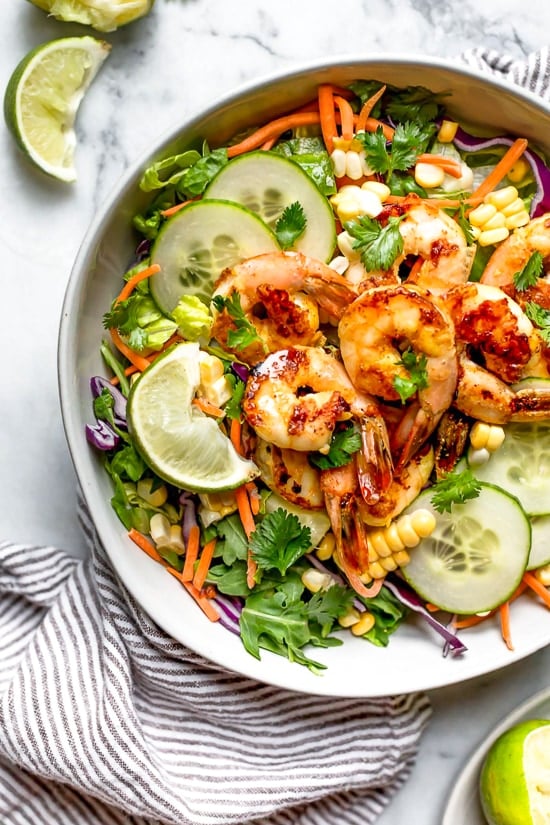
Spicy Thai Shrimp Salad
www.skinnytaste.com · 25 min

Sesame Apricot Tofu
pinchofyum.com · 40 min

Roasted Cauliflower Lettuce Wraps with Korean BBQ-Inspired Sauce
pinchofyum.com · 50 min

Lemongrass Vermicelli Salad
pinchofyum.com · 25 min

Summer Avocado Salad
www.onceuponachef.com · 20 min

Vietnamese-Inspired Chicken Salad with Rice Noodles
pinchofyum.com · 60 min

Asian Kale Slaw with Ginger Peanut Dressing
www.onceuponachef.com · 20 min
Related terms
- MirinMirin is a sweet Japanese rice wine for cooking. It adds gentle sweetness and shine to teriyaki, glazes, broths and dressings. How to swap it.
- PickleTo pickle is to preserve food in an acidic liquid, either vinegar or a salty brine that ferments. Quick fridge pickles are ready in an hour or less.
- VinaigretteVinaigrette is a dressing of oil and vinegar, usually three parts oil to one part acid, with salt and mustard. It dresses salads, vegetables and grains.
- Soy sauceSoy sauce is a salty, savory sauce brewed from soybeans, wheat and salt. Light, dark and tamari explained, plus how to use it, swap it and store it.
- Sherry vinegarSherry vinegar is a nutty, aged Spanish vinegar made from sherry. It brightens gazpacho, romesco, dressings and pan sauces with a rounded tang.