Spider
A spider is a wide, shallow wire-mesh skimmer with a long handle for lifting food out of hot oil or boiling water. Here is how and when to use one.
Also called Spider strainer, Spider skimmer, Wire skimmer.
A spider is a strainer shaped like a shallow basket of wire mesh, often in a web pattern, on a long handle. It lifts food out of hot oil, boiling water or broth and drains it in one move. It is common in Chinese cooking, where it is used with a wok, and very handy anywhere you deep-fry or blanch.
How to use it
- Hold the handle low and slide the basket under the food from the side.
- Lift it out slowly and let it drain over the pot for a few seconds.
- Move it to a rack, a towel-lined plate, or a bowl of ice water to shock it.
Good jobs for it:
- Taking fried food, such as tempura, fries and fritters, out of hot oil.
- Lifting dumplings, gnocchi or ravioli out of boiling water without breaking them.
- Moving blanched vegetables straight into ice water.
- Pulling pasta from its pot when you want to keep the cooking water.
- Skimming bits of batter out of frying oil between batches.
A basket of about 13 to 15 cm (5 to 6 in) across with a long bamboo or metal handle suits most home cooking.
Substitutes
A slotted spoon works for small amounts but drains less well and holds less. A wire-mesh sieve works over water, but its handle can be short for hot oil. Do not use plastic tools in hot oil.
How to store it
Wash in hot soapy water with a brush. Food and batter dry hard in the mesh, so wash it soon after use. Dry a bamboo handle well, and store it hanging.
Common mistakes
- Using a short handle or leaning over the pot. Keep your hands and face back from hot oil.
- Dropping wet food from the spider into hot oil. It spatters. Lower food in gently.
- Lifting too much at once. Food rolls off the edge back into the pot.
- Leaving a bamboo handle soaking in water. It splits.
In recipes
"Remove with a spider or slotted spoon" means lift the food out and drain it, rather than pouring the whole pot through a colander.
Recipes made with it
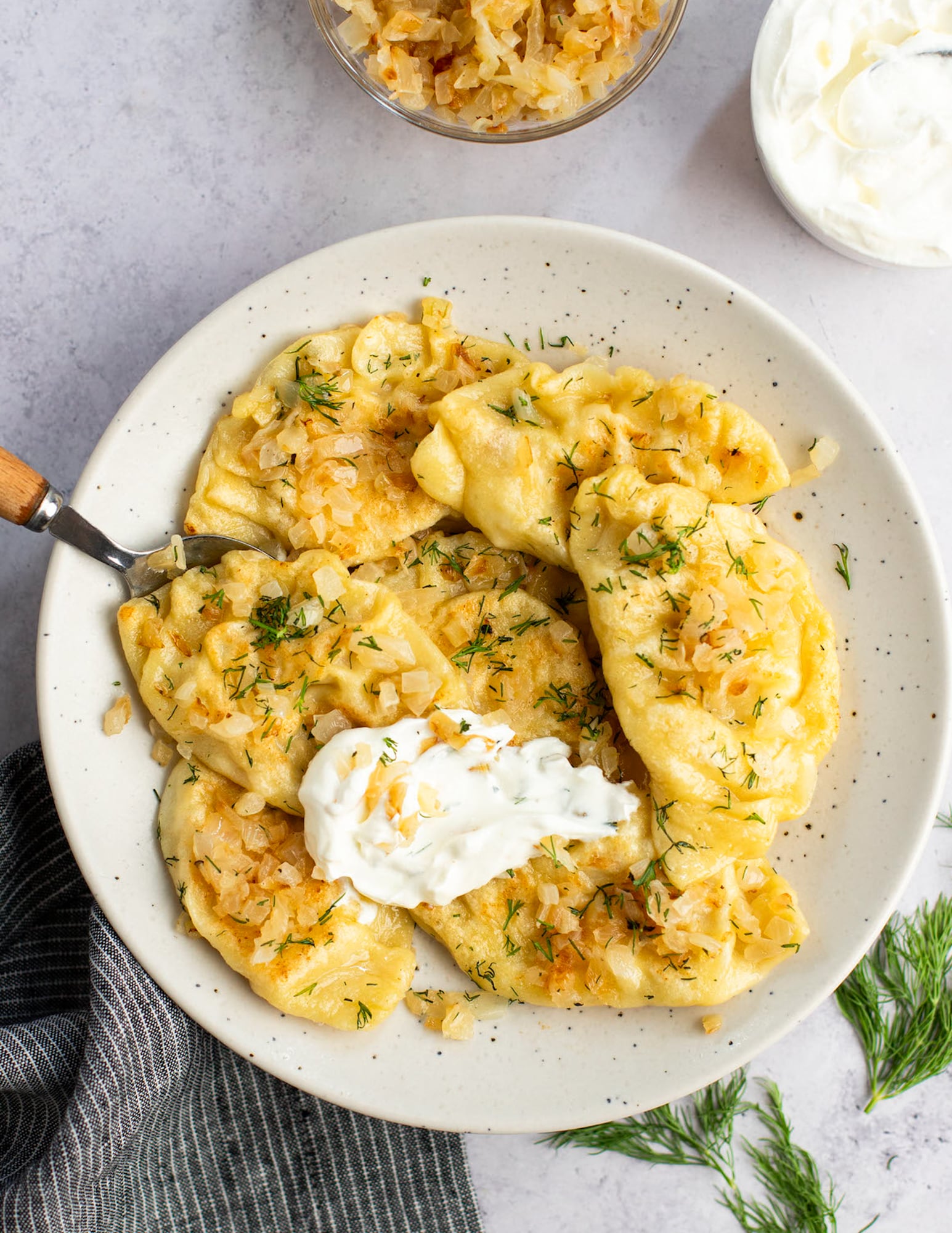
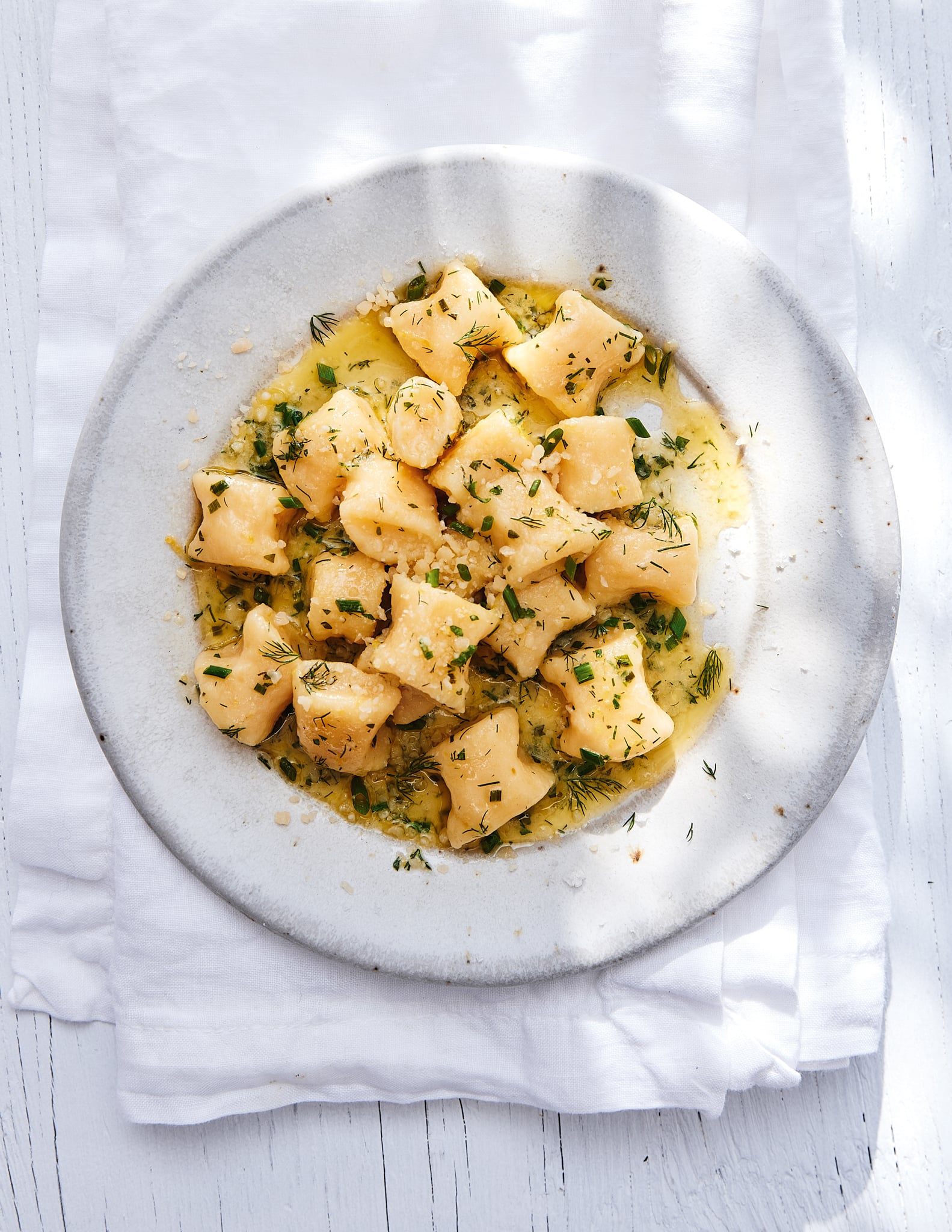
2 recipes from the sites we collect.
Related terms
- Deep-fryDeep-frying cooks food fully submerged in hot oil, usually 170 to 190°C (340 to 375°F), for a crisp shell and a moist inside. Here is how to do it safely.
- BlanchBlanching is cooking food for a short time in boiling water, then stopping the cooking in ice water. It sets color and loosens skins.
- ShockTo shock is to plunge just-cooked food into ice water so it stops cooking at once. It keeps vegetables bright and crisp and makes eggs easier to peel.
- TempuraTempura is Japanese seafood and vegetables dipped in a thin, ice-cold batter and deep-fried until light and crisp. See why the batter should stay lumpy.
- DumplingA dumpling is a piece of dough, filled or plain, that is boiled, steamed or fried. See the main kinds, how to fold and cook them, and how to freeze them.
- WokA wok is a deep, round-bottomed pan from China for stir-frying, steaming and deep-frying over high heat. Here is how to season and cook in one.